


Compare business insurance quotes with Insureon


Insureon is the #1 digital agency for small business insurance, ranked A+ by the BBB and rated "Excellent" by our customers. Our streamlined process helps you find coverage for your specific risks at an affordable rate.
Even when it’s not required, it’s a good idea to carry insurance. Having to pay out of pocket for an accident or lawsuit can easily bankrupt a small business.
Get insurance for your business today in three easy steps:
- Fill out our free application with basic facts about your company.
- Compare custom quotes from trusted carriers.
- Choose your policies and pay online to get a certificate of insurance.
We work only with leading providers ranked A- (excellent) or higher by AM Best, including The Hartford, Liberty Mutual, Nationwide, Philadelphia Insurance, and more. You won't see quotes from all providers, only those that are the best match for your business.
Verified business insurance reviews
Hear from customers like you who purchased small business insurance.
Top small business insurance policies

General liability insurance
A general liability policy covers common business risks including bodily injuries, customer property damage, and advertising injuries. It's required for most commercial leases.
- Slip-and-fall accidents
- Damaged customer property
- Libel and slander lawsuits

Business owner's policy
A BOP bundles commercial property coverage and general liability coverage in one plan. It's one of the most cost-effective commercial insurance policies.
- Customer injuries
- Accidental damage to customer property
- Business interruption incidents

Workers’ compensation insurance
Workers' comp is required in almost every state for businesses with employees. It also protects sole proprietors against work-related injury costs that health insurance might deny.
- Employee medical expenses
- Disability benefits
- Workplace injury lawsuits

Commercial auto insurance
Most states require this coverage for business-owned vehicles. It helps cover legal costs in the event of an accident, along with vehicle theft and vandalism.
- Car accidents
- Vandalism and theft
- Weather damage

Professional liability insurance
This policy can help cover legal expenses if a business is sued for professional negligence. It's also called errors and omissions insurance (E&O).
- Mistakes and oversights
- Undelivered work or services
- Advice that causes financial loss

Commercial property insurance
A commercial property policy covers the value of a business's physical structure and its contents, such as inventory, equipment, and furniture.
- Fire
- Vandalism and theft
- Windstorms

Errors and omissions insurance
E&O, sometimes called professional liability insurance, is common with professional services. It can cover legal costs related to your work performance.
- Missed deadlines
- Errors in calculations
- Misrepresentation

Cyber insurance
This type of coverage helps businesses recover financially from data breaches and cyberattacks. It's strongly recommended for any business that handles customer information.
- Data breach investigations
- Customer notification expenses
- Fraud monitoring services

Commercial umbrella insurance
Umbrella insurance provides additional coverage once another policy's limit is reached. It boosts coverage on your existing general liability insurance and other liability policies.
- Accidents that injure customers
- Multi-vehicle auto accidents
- Negligence in workplace safety
Small businesses we insure




















How much does small business insurance cost?

Small businesses, especially low-risk ones, usually don't have to pay a lot for insurance.
Underwriters consider several factors when determining business insurance costs, including:
- Industry and risk factors
- Business operations and location
- Business income and size
- Number of employees
- Years of experience
- Policy limits and deductibles
- Coverage options, such as an additional insured or any exclusions
- Claims history
Average small business insurance costs by policy
| Policy | Monthly cost | Annual cost |
|---|---|---|
$45 | $538 | |
$108 | $1,301 | |
$54 | $643 | |
$88 | $1,051 | |
$129 | $1,552 | |
$245 | $2,942 | |
$92 | $1,100 | |
$83 | $990 |














Product liability insurance

Medical malpractice insurance

Tools and equipment insurance
This policy helps pay for repair or replacement of a business's tools and equipment if they are stolen, damaged, or destroyed.

Builder's risk insurance

Liquor liability insurance

Business interruption insurance

Management liability insurance
Can Insureon help me find small business insurance in my state?
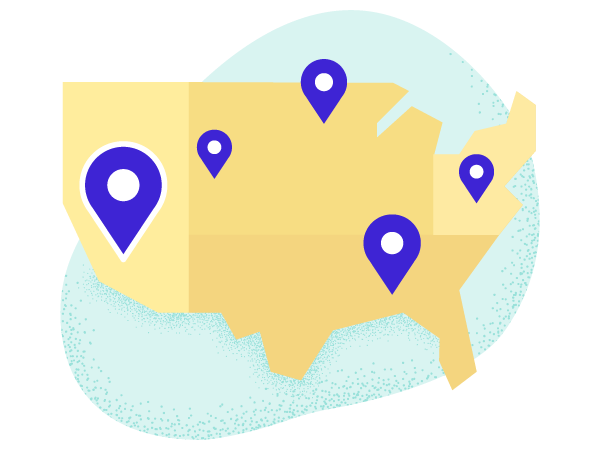
Because state laws vary, it's important to have a knowledgeable agent. Our insurance agents are licensed in 50 states and Washington, D.C., and can help you comply with local requirements.
Here are several business insurance products that you might need to comply with the laws in your state:
- Workers' compensation insurance is required in most states as soon as you hire your first employee. Only Texas and South Dakota don't mandate coverage.
- Commercial auto insurance is required for business-owned vehicles in every state except for New Hampshire.
- Professional liability insurance, also called errors and omissions insurance (E&O), is sometimes required for real estate agents, insurance agents, lawyers, and other professionals.
- Medical malpractice insurance is a type of professional liability insurance that's often required for doctors with admitting privileges.
- General liability insurance is a common licensing requirement for general contractors and other specialty trades. For example, all general contractors in Florida need this coverage.
If you need help finding coverage and you're not sure of the laws in your state, contact an agent. They can help make sure you get the right insurance options to comply with laws and contracts.
Explore your state's insurance requirements
FAQs about small business insurance
Review answers to frequently asked questions about small business insurance coverage.
What does small business insurance cover?
No single insurance policy covers everything. In general, there are two broad areas of insurance coverage:
- Business liability insurance covers incidents in which someone holds your business accountable for an injury, property damage, or financial loss. It pays for legal defense costs, such as attorney's fees, court costs, judgments, and settlements.
- Commercial property insurance helps pay for theft and damaged business property, including your building if you own it. That includes damage from fires, storms, and vandalism.
A business owner's policy is a good place to start if you're unsure of which coverage you need. It includes both general liability insurance and property insurance at a discount, and protects against the most common lawsuits and damages.
Keep in mind that your homeowner's insurance, health insurance, and personal auto insurance will provide little to no coverage for business-related incidents. Learn more about small business insurance coverage and which policies are right for you.
Why do I need business insurance?
Business insurance, also called commercial insurance, provides crucial protection for any small business owner. Here are the top reasons why you might need coverage:
- Lawsuits are expensive. If there’s an accident at your business, you could face a lawsuit. The high cost of litigation, medical bills, and property damage claims are the primary reasons businesses need insurance.
- Your state requires insurance. Almost every state requires businesses to carry workers' compensation insurance when they have employees, and commercial auto insurance for company-owned vehicles.
- You need to sign a lease, loan, or contract. Landlords, lenders, and clients all prefer to work with insured businesses. In many instances, they'll ask you to provide proof of insurance before you can rent an office, take out a business loan, or sign a contract.
- You need a license. Depending on your profession, your state might require you to get a license. Plumbers, electricians, and other contractors often need to carry contractor general liability insurance to get licensed, while real estate agents often need errors and omissions insurance.
Learn more about why businesses need insurance.
How does business structure affect what kind of insurance I need?
Every business needs insurance, but the type of business can affect which policies you need. Small businesses have fewer resources to recover from costly lawsuits and accidents, which makes insurance a crucial part of risk management.
Here are a few examples of how business structure can impact the policies you need:
- Businesses that have a board of directors need D&O insurance. Directors and officers insurance protects board members from litigation costs related to their business decisions.
- Sole proprietors that drive their own car for work may need HNOA insurance. Hired and non-owned auto insurance covers legal costs if you get into an accident in a personal, leased, or rented vehicle used for business purposes.
- Independent contractors might need a certificate of insurance. Clients often require contractors to provide proof of insurance for general liability, workers' comp, or other policies to ensure they're protected in the event of a lawsuit or incident.
Read about insurance for your type of business:
Does my company need a business bond?
Many small businesses are both bonded and insured. This means they have bought a bond, in addition to carrying insurance.
A bond acts as a financial guarantee that your business will complete a project as promised. You might need a bond to sign a contract, bid on a project, or get a license.
If your business fails to meet the terms of a contract, the bond will reimburse the client for their financial loss. Unlike an insurance claim, your business must then pay this amount back to the company that issued the bond.
How much business insurance coverage do I need?
The amount of coverage you need depends on your business's unique needs. That includes factors such as business size, foot traffic, and your risk of a negligence lawsuit.
For instance, an IT consultant who owns an office will need more property insurance than one who visits clients. And a retailer in a busy shopping center will need more general liability coverage than an online retailer.
You'll also need enough coverage to fulfill any legal requirements or the terms of contracts and leases. It should be sufficient to pay for a lawsuit, so you gain financial protection and peace of mind.
Most small business owners choose a general liability policy with a $1 million per-occurrence limit and a $2 million aggregate limit. As your business grows, you may need to expand your policy limits.
If you have any questions, you can contact a licensed agent. We can help you find the right coverage, discuss types of insurance, and compare quotes from the nation’s top carriers. You can secure coverage and get a certificate of insurance within 24 hours.
How do I make a business insurance claim?
A claim on your policy can stem from a wide range of incidents, such as a burglary, an auto accident, or a customer lawsuit.
The first step is to secure the safety of everyone involved. In the case of a data breach, that might involve notifying your IT team or isolating affected systems.
As soon as it's safe to do so, policyholders should notify their insurance company. In some cases, the insurer might be able to resolve the situation and avoid a lawsuit entirely.
An agent will ask for a description of the incident and basic information such as your business's name and policy number. They will guide you through the process, answer your questions, and send the necessary paperwork.
It's important to keep detailed records throughout the process, including notes of relevant conversations or phone calls. In the event of a lawsuit, you may want to discuss your options with your insurance provider or an attorney, such as a potential settlement.

Get free small business insurance quotes
EXPLORE ON INSUREON
Related topics
Best carrier options by policy
Bundle coverage

Want free expert advice right in your inbox?
By entering your email address and subscribing, you agree to our Terms of Use and Privacy Policy