


























Find general liability insurance quotes
Save money by comparing insurance quotes from multiple carriers.

General liability insurance covers the most common claims against contractors. It can pay for medical bills and repair costs from third-party accidents, along with legal defense costs if someone sues your business. It also helps contractors qualify for licenses, leases, and client contracts.
Contractors often work in their clients' homes and offices, which brings a high risk of accidental harm. For example, a homeowner could trip over a painter's ladder and break their ankle, or a roofer could drop a hammer that shatters the windshield of their client's new car.
General liability insurance covers the most common lawsuits brought by people and entities outside your business (third parties). Without a general liability policy, you could end up paying for medical bills, costly repairs, or a legal defense out of pocket. Due to the high cost of healthcare and litigation, the result could be bankruptcy.
In addition, contractors are required to show proof of insurance in many situations. Even when it's not required, they should still carry this coverage for the financial protection it provides.
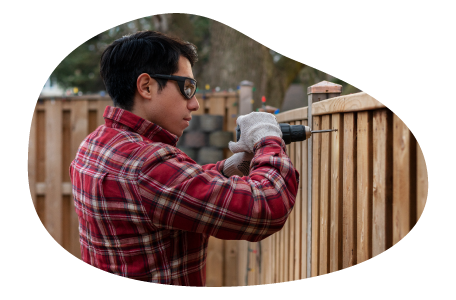
General liability covers a wide range of third-party lawsuits and claims, including bodily injuries, property damage, and personal and advertising injuries. It'll cover the cost of medical treatment if a visitor is injured at a jobsite, or pay for repairs if a contractor accidentally damages a client's home.
If someone sues your business for accidental harm, a general liability policy will pay for attorney's fees, court costs, and the resulting settlement or judgment. Litigation expenses can escalate quickly, which is part of why general liability is so important.
Here's a detailed breakdown of what's covered by a general liability policy:

Contractors convert their clients' homes and offices into temporary worksites, which increases the risk of an injury. Someone could trip on a pile of boards awaiting installation, stumble over a drill's extension cord, or inhale hazardous dust or fumes.
If a customer or client is injured, general liability insurance can pay for:
General liability covers third-party injuries, which includes anyone outside your business—customers, clients, passersby, and visitors. To cover employee injuries, you'd need to purchase workers' compensation insurance.
Every project brings the risk of accidental property damage. A contractor might accidentally scrape a floor while installing an HVAC unit, break a window while carrying a door through a home, or track paint or concrete across an antique rug.
Repairs can be costly for contractors—especially if the case goes to court. General liability insurance protects your business by paying for repairs and covering the cost of litigation if you're sued over damage that happens during a project.
For example, a general liability policy will pay to repair scraped-up floors, replace a broken window, or remove stains caused by a contractor or their employee. If the client sues, then it would pay for your legal defense costs, including a judgment or settlement.
If a contractor is active on social media, owns a website, or advertises their services in print or online, then they face other third-party risks. For example, a contractor could be sued for posting a customer's image on their Facebook page without permission, or accidentally copying a competitor's logo.
General liability insurance covers a wide range of personal and advertising injuries, including:
For these types of claims, general liability would pay for legal fees and damages. Keep in mind, your policy only covers accidental harm, not intentional or criminal acts.
General liability insurance doesn't only provide protection during active construction or installation. It also covers injuries and damage that result from a contractor's completed work or the products they installed.
That's because general liability insurance typically includes product liability insurance. This insurance is also called products-completed operations coverage, as it covers harm caused by both defective products and your completed services.
Product liability insurance will pay for repairs if a faulty appliance leaks and damages a client's floor, or if a recently installed awning collapses and injures a passerby. It will also pay for legal costs if a client sues a contractor over harm caused by their product or completed service, provided it was not a result of professional negligence.
Yes, contractors are often required to carry general liability insurance. You might need insurance to get a license or permit, bid on a project, sign a contract, rent a space, or get a business loan.
State laws sometimes require proof of general liability coverage as part of their licensing requirements. This depends on the type of work you do and the size of the projects you take on, with insurance often required for bigger projects and riskier professions.
Even if you're not required to carry insurance, it's still highly recommended for all contractors due to the inherent risks of your work.
Here's an overview of when different types of contractors need general liability insurance:
General contractors in some states, including Florida and Nevada, need general liability insurance in order to get a contractor's license. Licensing requirements often include proof of insurance or a bond, along with a certain amount of education or experience.
Other times, clients will require general contractor liability insurance. When you're insured, your clients know your company can afford to pay for a lawsuit, which means they won't be affected by third-party accidents.
General liability covers potentially devastating financial losses resulting from third-party claims of bodily injury or property damage at a worksite. For instance, a passerby could trip over debris and suffer a concussion, or construction equipment could damage client property.
Janitorial services and other types of cleaning businesses often need general liability insurance before a client will allow workers on their property. Your clients want to know they're protected if a contractor breaks a valuable item, or if a visitor slips on a recently mopped floor and suffers an injury.
In particular, cleaning contractors need to make sure their policy includes bailee coverage, which pays for accidental damage to items in their care, custody, or control. Standard general liability insurance won't pay for damage to items entrusted to your business, which includes property being cleaned by your workers.
Carpenters who take on projects above a certain threshold may need general liability insurance in order to comply with laws and get licensed in their state. For instance, you might need proof of insurance and a license to legally do framing or other large carpentry projects in your location.
Clients, lenders, and landlords might also require carpenters to carry liability insurance. A carpentry accident that injures a third party could swamp your business in legal costs and sink a project—or even extend costs to a client if your business is unable to handle the claim.
Since lawn care technicians and landscapers work directly on clients' properties, they face a high risk of third-party claims. That's why you might need general liability insurance and a license in order to do grading, irrigation, pesticide application, or other types of work, depending on the regulations in your state, city, or county.
Clients—especially larger companies or government entities—may also require you to be insured. General liability insurance covers damage to a client's property, injuries caused by kicked-up rocks and other hazards, and other common risks in this industry.
Electricians face high risks, which is why they're often required to carry general liability insurance. In many states, you'll need proof of liability insurance in order to get an electrician's license and take on any work in this field.
Your clients might also require you to have liability insurance. They want to know they're protected if faulty wiring starts a fire, or if a visitor suffers an electric shock at a jobsite.
Between state licensing requirements and client contracts, general liability insurance is usually needed in order to do electrical work. On top of that, the risk of fires and injuries makes coverage essential for those who want to protect their business financially.

Contractors pay an average of $83 per month for general liability insurance, or $990 annually.
The cost of contractor insurance depends on the policy limits and deductible you choose, along with other factors like your business's size and location.
Some contractors qualify for a business owner's policy (BOP), which bundles general liability with commercial property insurance at an average cost of $115 per month.
Here are some of the top factors underwriters use to calculate general liability costs for contractors:
Contractors choose Insureon as a way to compare quotes in one place, get expert help, and manage their coverage online. You can fill out our easy online application to get quotes for general liability and other policies from top-rated insurance companies.
Our licensed insurance agents can help you find the right liability coverage for your business needs. Once you select a policy, you can begin coverage and get a certificate of insurance (COI) in less than 24 hours.
Get answers to frequently asked questions about contractor liability insurance.
Yes, contractors often need a certificate of insurance (COI) in order to get licensed, work with certain clients, sign a lease, or take out a loan. Also known as an ACORD 25 form, a COI is supplied by your insurance provider when you purchase a general liability policy.
Certificates of insurance show clients you're protected and can help you win bids over uninsured competitors. If someone asks for proof of insurance, they are asking to see this form.
A COI includes key information about your policy, such as:
To obtain a certificate of liability insurance, you must have an active insurance policy. With Insureon, you can download a COI quickly after getting quotes and choosing a policy.
No, general liability insurance does not cover theft. However, you can bundle it with commercial property insurance in a business owner's policy to gain this protection.
Commercial property insurance covers theft, fires, and other incidents that damage or destroy property at your main business location. To cover theft of tools or equipment in transit or at a jobsite, you'd need tools and equipment insurance.
Also called inland marine insurance, tools and equipment insurance covers business property wherever you bring it. Another type of inland marine insurance, installation floater insurance, protects against theft or damage of materials awaiting installation at a jobsite.
Yes, you can extend your general liability coverage to subcontractors and others with an additional insured endorsement on your policy. If a subcontractor you hire accidentally breaks something or causes an injury, this endorsement would ensure you're both protected against damages and legal costs.
Another option is a controlled insurance program (CIP). Also called wrap insurance, CIPs bundle general liability, workers’ comp, and other types of coverage into one project-specific policy for all contractors and subcontractors involved.
There are two types of coverage options for CIPs:
While commercial general liability insurance covers basic risks faced by contractors, it does not offer absolute protection. Other policies to consider include:
It's easy to find affordable general liability insurance with Insureon. Our easy online application lets you compare quotes from trusted insurance companies to find policies that fit your budget and your unique risks.
Other ways for contractors to save money on insurance include:
Our insurance agents can help you find the right insurance solutions for your business, whether you work as a sole proprietor, an independent contractor, or you hire employees or subcontractors.
The average costs on this page were derived from our data on small business owners in the contracting field who purchased policies through Insureon. Most of our customers have less than five employees, annual revenue ranging from around $50,000 to more than $200,000, and five years or less in business.



By entering your email address and subscribing, you agree to our Terms of Use and Privacy Policy