Goods in transit insurance: What you need to know about property in transit coverage

Learn about our editorial policies


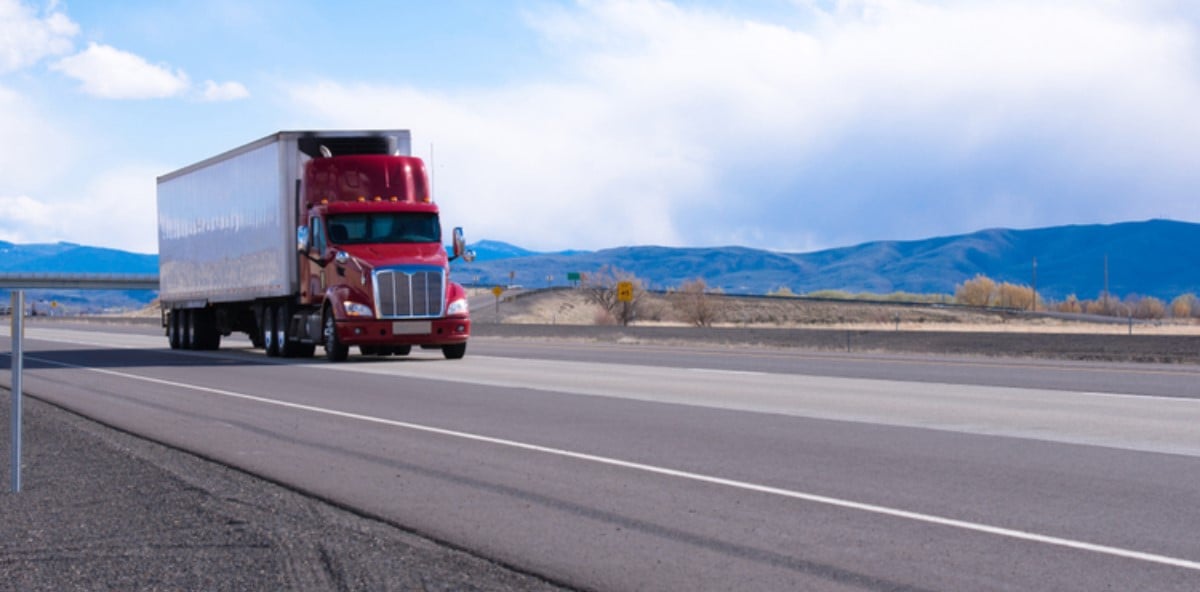
Whether you’re moving materials between jobsites, shipping inventory to a store, or hauling equipment to different client locations, transporting goods is a common part of running a small business.
But every shipment comes with risk—theft, damage, and destruction of property are expensive setbacks that most standard business insurance policies won’t cover.
That’s where goods in transit (GIT) insurance comes in. As a type of inland marine insurance, GIT travels with your items, inventory, and equipment from the moment they're loaded up to the time they’re dropped off.
In this guide, we’ll break down what GIT insurance covers, who needs it, and how to get it, so you can have peace of mind when your goods are on the go.
- Get the right insurance for your small business with Insureon
- How much does transit insurance cost?
- Goods in transit insurance vs. cargo insurance
- How to determine the right property coverage for your business
- Who should consider insurance for goods in transit?
- What does goods in transit insurance cover?
- What does transit insurance typically not cover?
- Is goods in transit insurance the same as property in transit coverage?
- What is goods in transit insurance?
Is goods in transit insurance the same as property in transit coverage?
Yes, goods in transit (GIT) insurance and property in transit (PIT) insurance are essentially the same insurance coverage. They protect items while they’re being transported from one location to another.
While these terms are generally used interchangeably, there are subtle differences:
- Goods in transit is the term more commonly used globally and across the U.S. logistics industry, including trucking businesses, distributors, and freight brokers. It usually refers to a standalone policy that covers commercial cargo being transported.
- Property in transit is used more often in the U.S., especially by insurance companies, as an endorsement to a commercial property or inland marine insurance policy. It typically applies to a wider range of items—including equipment, tools, and business personal property—not just traditional goods or cargo.
Keep in mind, both GIT and PIT can be written as either an endorsement or a standalone policy, depending on the insurance provider and the policyholder’s needs.
What is goods in transit insurance?
If your business transports goods between locations, those items probably aren’t covered by a standard commercial property or commercial auto policy while they’re in transit. In other words, if anything happens to your property while it’s on the move, you could be stuck with the bill to replace the goods.
Luckily, goods in transit insurance coverage can fill that gap, protecting your business’s goods and equipment while they’re being transported to or from your place of business.
Insurance of goods in transit typically protects your property against:
- Physical loss or damage due to accidents, collisions, or road hazards during transport.
- Theft either directly from the vehicle or during loading and unloading.
- Weather and environmental damage caused by floods, storms, and other natural events.
- Fire and explosion damage occurred during transport.
- Loading and unloading risks, such as accidental damage from dropping an item.
Goods in transit coverage can help pay replacement costs for lost or damaged goods, cover fees for delayed orders, and handle legal expenses if you’re sued by a customer.

What does goods in transit insurance cover?
Typically, a goods in transit (GIT) insurance policy covers most types of goods, inventory, and equipment in transit between your business and another location.
- Goods and inventory refer to the items a business buys, holds, or sells, such as wine and spirits being delivered to a restaurant, or finished products going from a manufacturer to a distributor.
- Equipment can include the machinery, computers, and tools that a business needs to operate, like medical devices traveling between healthcare facilities, or computers and office furniture being relocated to a new workspace.
As with any commercial insurance policy, the level of coverage and specific terms vary by insurer. It’s important to review your GIT policy documents carefully to understand exactly what’s covered before a loss occurs.
What does transit insurance typically not cover?
Although goods in transit insurance provides valuable protection, there are typically certain limits and exclusions. Most GIT policies won’t cover:
- Poor or inadequate packaging of goods before transport
- Employee dishonesty or theft, unless added by endorsement
- Normal wear and tear, or any gradual deterioration of goods over time
- Inherent defects or flaws in the goods themselves
- Delayed shipments and any resulting financial loss
- Personal property belonging to an individual rather than the business
- Intentional acts or fraud by the policyholder
It's important to note that a goods in transit policy is a named perils policy, which means it has coverage limits and only covers losses specifically mentioned in the policy.
On the other hand, open perils coverage, which is found in most commercial property policies, protects against all common risks or causes of loss, except those specifically excluded in the policy.
Who should consider insurance for goods in transit?
Small businesses that transport tools, equipment, inventory, and other company property likely need goods in transit coverage. These types of businesses often include:
Wholesalers and distributors
Wholesale and distribution businesses routinely transport large quantities of goods between suppliers, warehouses, and retailers and may pass through multiple locations before reaching their destination. GIT insurance protects these items during every leg of the journey.
Construction businesses
Handyman services, installation companies, general contractors, and other construction companies regularly haul expensive tools, equipment, and materials to different jobsites. This coverage is important in case their items get damaged or stolen while in transit.
IT services
IT consultants, cybersecurity consultants, and other IT businesses often travel between offices, data centers, and client locations carrying expensive laptops, servers, and tools. GIT insurance can cover these high-value items, as well as clients’ hardware and equipment.
Cleaners
Janitorial services, pressure washers, carpet cleaners, and other cleaning businesses usually transport supplies and specialized equipment like floor buffers and pressure washers between client locations every day. Transit coverage protects these operational essentials in case of theft or an accident that causes them to miss appointments and revenue.
Retailers
Retail storefronts and online retailers rely on a steady flow of goods to keep their business running, between incoming inventory and outgoing orders to customers. Lost or damaged shipments can mean empty shelves, missed sales, and reordering expenses. GIT can help reimburse retail businesses for the full value of the goods.


Goods in transit insurance vs. cargo insurance
Although goods in transit insurance and motor truck cargo insurance are both types of inland marine insurance designed to protect property while it’s being transported, they cover different risks.
Goods in transit insurance protects business owners who are transporting their own goods, inventory, and equipment from one location to another.
Motor truck cargo insurance covers truckers, carriers, and hauliers transporting goods on behalf of a client. It provides coverage if customers’ property is lost or damaged during haulage, helping to pay for losses such as:
- Accidents that damage cargo during loading and unloading
- Removal service expenses when cargo is accidentally spilled
- Lawsuits when a client sues a trucking business for losing their cargo
- Lost profits from undelivered freight
On top of providing critical financial protection, motor insurance is often a contractual or legal requirement for motor carriers, freight forwarders, and other trucking businesses.
How to determine the right property coverage for your business
To determine whether your business needs goods in transit insurance, you'll need to consider a few key details, namely:
- The size of your business
- The type and value of the goods you transport
- How often you need to transport goods
- How far they're transported, such as regionally, nationally, or internationally
For example, a small business that sells baked goods from home may not need a property in transit policy if it only transports a few cakes and cookies locally a few times a year.
However, if the bakery expands and starts shipping custom wedding cakes across the state, a goods-in-transit policy will provide critical protection against potential losses.
If you have employees, you also need to consider their driving records and claims histories. A driver with recent traffic violations has a higher risk of accidents while transporting goods than someone with a clean driving record.
It’s also important to keep in mind employees’ auto insurance won’t cover your business’s goods, inventory, and equipment.
How much does transit insurance cost?
The cost of a goods in transit insurance policy will vary for every small business based on a number of factors used during underwriting.
Some of these factors include:
- Value of goods transported
- Frequency of transport
- Distance and routes
- Type of vehicle used
- Insurance claims history
Get the right insurance for your small business with Insureon
Insureon helps small business owners get goods in transit insurance coverage from top-rated U.S. insurance carriers.
Get free insurance quotes by filling out our easy online application. You can also speak with a licensed insurance agent to determine which types of insurance policies meet your needs.
Once you find the right commercial insurance policies for your small business, you can begin coverage in less than 24 hours and get a certificate of insurance (COI) for your small business.
Julie Watt, Content Editor
Julie writes blog posts and site content that breaks down complex topics, provides expert advice, and helps connect small business owners with the best insurance solutions. Before joining the Insureon team, Julie worked as a copywriter and content strategist for ad agencies and in-house creative marketing teams to bring brand stories to life and connect loyal consumers with quality products. She’s built and led copy teams at companies such as T.J.Maxx, Amazon, and BISSELL.