Drone Photography Business Insurance


Why do drone photographers need business insurance?
Piloting a drone for commercial purposes is risky, which is why it's important to secure the right coverage. If a drone injures someone, damages their property, or infringes on their privacy, you could face an expensive lawsuit. Drone insurance policies help cover legal costs, and can pay to repair or replace an unmanned aerial vehicle (UAV) and its accessories.


Get same-day insurance
With Insureon, drone photographers and videographers can get insurance coverage the same day they apply for quotes.
Fill out our easy online application to compare quotes for drone liability insurance from top-rated providers.
What types of business insurance do drone photographers need?
These insurance policies cover common risks faced by drone pilots.

General liability insurance
A general liability policy covers basic risks of aerial photography, such as a drone crash that hurts someone or damages their property. Bundle it with commercial property coverage in a BOP.
- Bodily injury from drone accidents
- Property damage caused by a drone
- Slander and other advertising injuries

Business owner's policy
A BOP is a cost-effective way for pilots of unmanned aircraft systems (UAS) to buy commercial property insurance and general liability coverage together.
- Third-party bodily injury
- Client property damage
- Physical damage to a drone (hull insurance)

Professional liability insurance
This policy covers legal fees if a client sues a drone photographer over the quality of their work. It's sometimes referred to as errors and omissions insurance (E&O).
- Lost or low-quality aerial photos
- Accusations of negligence
- Late arrivals or missed events

Workers’ compensation insurance
Most states require workers' comp for aerial photography businesses with employees. It also protects sole proprietors from work injury costs health insurance might deny.
- Employee medical expenses
- Disability benefits
- Lawsuits from employee injuries

Commercial auto insurance
This policy covers the cost of accidents involving a vehicle owned by a commercial drone operator business. Most states require this coverage for business-owned vehicles.
- Property damage caused by your vehicle
- Bodily injuries from an auto accident
- Vehicle theft and vandalism

Equipment insurance
This policy protects your drones and other equipment that travel to photo shoots. It covers property losses due to theft, fires, storms, and vandalism.
- Drones being transported
- Equipment at a photo shoot
- Business property in a storage unit
How much does drone photography insurance cost?

A drone operator who works independently will pay less for insurance than a larger business.
On average, photographer and videographer insurance costs for Insureon customers are:
- General liability: $29 per month
- Professional liability: $42 per month
- Equipment coverage: $43 per month
A cost-effective insurance plan for drone photographers is a BOP, which bundles liability and property coverage for less than buying each policy separately. Insureon customers in the photography field pay an average of $47 per month.
What factors affect drone photography insurance costs?
Drone insurance costs depend on your business operations and overall risk profile. Insurers will also consider your business's location and claims history during the underwriting process.
Factors that can affect your drone photography insurance annual premiums include:
- Business operations: The types of photography services you offer, where you fly, and the environments you operate can affect your risk level. For example, flying near crowds or in complex environments may increase liability risk.
- Types of drones and other business property: The number, value, and capabilities of your drones, cameras, lenses, and other equipment can affect the cost of commercial property or equipment coverage.
- Annual income and business size: Insurers may consider your annual revenue, number of clients, and overall business operations when determining premiums.
- Location: Insurance rates can vary by state and location based on local risks, weather conditions, and other factors. Where you operate your drones may also influence your liability exposure.
- Coverage limits and deductibles: Higher coverage limits generally increase premiums, while choosing a higher deductible can lower your premium. However, a higher deductible means you'll pay more out of pocket for a covered claim.
- Number of employees: Hiring employees can increase your insurance costs, particularly if you need workers' compensation insurance. A larger team may also increase your business's overall chance of injury claims.
- Claims history: A history of accidents, property damage, or liability claims may lead to higher premiums, while a favorable claims history may help you qualify for lower rates.
- Risk management practices: Following drone safety procedures, maintaining equipment, training pilots, and complying with applicable aviation regulations can help reduce risks and may improve how insurers assess your business.
- Policy type: Most professional liability policies use claims-made coverage, while general liability policies are commonly written on an occurrence basis. The policy structure, coverage terms, and any retroactive dates can affect pricing. It's important to make sure you understand when your coverage would apply before choosing a policy.
State insurance requirements
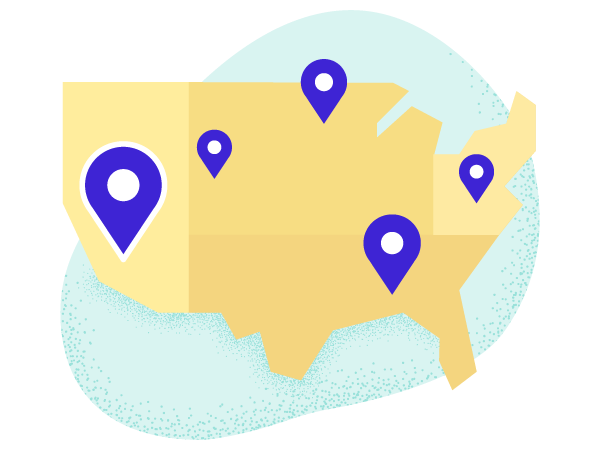
See your state's requirements for photo/video businesses
How do I get drone photography insurance?
It’s easy to get drone coverage for your photography business if you have your company's information on hand. Our insurance application will ask for basic facts about your business, such as revenue and number of employees. You can buy policies online and get certificates of insurance (COIs) with Insureon in three easy steps:
- Complete a free online application.
- Compare insurance quotes and choose policies.
- Pay for your policy and download a certificate.
Insureon's licensed agents work with top-rated U.S. insurers to find commercial drone insurance that fits your business, whether you freelance or hire employees.
Verified business insurance reviews
Hear from customers like you who purchased small business insurance.
FAQs about insurance for drone photography businesses
Take a look at answers to common questions about what insurance drone operators may need, when coverage is required, and how to find a policy that fits your photography business.
Is liability insurance for drone photography businesses required?
Liability insurance for drone photography businesses isn't generally required by state law, however clients, venues, and contracts may require proof of coverage, or ask to be an additional insured on your policy, before you can work.
Even when it's not required, general liability insurance can help protect your business from third-party bodily injury, property damage, or personal and advertising injury claims.
For example, liability coverage could help with a covered claim if your drone damages a client's property or someone is injured during a photography session. You should also review your policy for any exclusions and your coverage limits.
Do I need a license to fly a drone for commercial photography?
Yes, most drone pilots who fly for commercial purposes in the United States must hold a Remote Pilot Certificate under the Federal Aviation Administration's (FAA's) Part 107 rules, unless a specific exception applies.
Requirements include being at least 16 years old, passing the applicable aeronautical knowledge test, and meeting other FAA eligibility requirements.
Commercial drone photographers must also follow state and local operating rules, including restrictions on where and how they can fly.
When do I need freelance drone photography insurance?
Freelance drone photographers can benefit from insurance even when working alone or part time. Clients, wedding venues, event organizers, and other businesses may require a certificate of insurance before hiring you. Maintaining coverage can also help protect your finances against lawsuits, equipment losses, and other unexpected business expenses.
Depending on how you use a vehicle for work and where you operate, you may also need commercial auto insurance for business-owned vehicles or hired and non-owned auto (HNOA) coverage for personal vehicles used for business purposes.
Personal auto insurance usually doesn't cover driving for commercial use, so having the right policy is important for protecting your photography operations.
Can I get short-term commercial drone insurance coverage?
Yes. Some insurers offer short-term or event-specific drone insurance for photographers who need coverage for a single job, wedding, school event, or other occasion.
However, if you regularly offer drone photography at weddings, sports events, festivals, or trade shows, an annual policy is a better investment than buying separate coverage for each job. Maintaining an active policy helps ensure you're protected between jobs and can make it easier to meet contract requirements on short notice.
Do I need hull insurance for drone photography?
Hull insurance isn't required for every drone photographer, but it can be valuable if you rely on expensive drones that would be costly to repair or replace.
This policy generally protects the insured drone against covered physical damage up to your policy's limits. Hull coverage is different from liability insurance—which addresses claims from other people—and equipment coverage that's used for cameras, lenses, computers, and other business property.
Hull insurance may be worth including in your insurance plan, especially if you use high-value drones, fly frequently, or depend on the drone for a significant portion of your income. You can speak with a licensed insurance agent to check whether your equipment policy already covers drones to avoid gaps or overlapping coverage.
Does drone business insurance cover invasion of privacy claims?
General liability insurance typically includes personal and advertising injury coverage, which can respond to certain claims involving invasion of privacy. For example, someone might allege your drone photography improperly captured private activities or images.
However, coverage depends on your policy's wording, the circumstances of the claim, and any exclusions that could apply. Some policies restrict coverage for certain privacy violations, intentional acts, or electronic data-related claims.
What other types of business insurance do drone photographers need?
Beyond liability coverage, aerial photographers and videographers may benefit from several other types of business insurance, depending on their equipment, operations, and contracts:
- Commercial property insurance protects the physical property a drone photographer owns or rents for business use. This may include a studio, office furniture, computers, and other business property if it's damaged by a covered event such as fire, theft, or certain types of weather.
- Business personal property (BPP) coverage safeguards business contents when stored outside of a commercial space, like a home, since homeowner's insurance wouldn't cover business equipment. For drone photo companies, this can include drones, lenses, lighting equipment, backdrops, and other film equipment used to operate the business.
- Business interruption insurance, also called business income coverage, can help replace lost income and cover certain ongoing expenses if a covered property loss temporarily prevents a drone videographer from operating. For example, it could help a studio continue paying expenses while repairs are being made after water damage from a burst pipe or other property loss.
- Equipment breakdown insurance can help pay for repairs or the replacement cost when covered equipment suffers a mechanical or electrical breakdown. This can be particularly valuable for photographers who rely on expensive drones, cameras, computers, lighting systems, and other electronic equipment to complete their work.
- Cyber insurance can help protect drone businesses from the financial consequences of cyberattacks and data breaches. Photographers and videographers who store client contact information, payment details, contracts, or large collections of digital photos may face risks from ransomware, hacking, phishing, and other cyber incidents.
- Hired and non-owned auto (HNOA) insurance provides liability protection when a drone photographer uses a vehicle they don't own for business purposes. For example, HNOA may help cover your drone business if you rent a vehicle to transport equipment to a wedding or use an employee's personal vehicle to travel to a photo shoot.
How can I find affordable aerial photography insurance?
The best way to find affordable drone photographer insurance is to review quotes from multiple insurance companies and choose coverage that best matches your business's specific risks. With Insureon, you can get free quotes from top-rated insurance companies by filling out our easy online application.
You may be able to lower your insurance costs by:
- Choosing the right liability limits or increasing deductibles when appropriate
- Using written contracts with clients and backing up digital files, including client photos
- Maintaining equipment and storing it securely
- Implementing cybersecurity safeguards
- Maintaining a claims-free history whenever possible
Our knowledgeable, licensed agents can help you find the best insurance solutions for your budget and your business needs, whether you take on minor small in-studio shoots or large-scale weddings.
The average costs on this page were derived from our data on small business owners in the drone photography field who purchased policies through Insureon. Most of our customers have less than five employees, annual revenue ranging from around $50,000 to more than $200,000, and five years or less in business.