Common restaurant insurance claims and lawsuits: What owners need to know

Learn about our editorial policies



Restaurants have risks that many other businesses don't face, including the potential for kitchen fires, food contamination, customer injuries, and employee accidents. Even one incident could result in serious financial consequences, including legal fees, medical bills, property repairs, lost income, and damage to your business's reputation.
Understanding the most common restaurant insurance claims can help you identify potential vulnerabilities and take steps to reduce risk in your restaurant operations. Here are some common claims and lawsuits you should prepare for.
- What are the most common restaurant insurance claims?
- Slip-and-fall accidents can lead to costly liability claims
- Kitchen fires are among the most expensive restaurant insurance claims
- Employee injuries frequently result in workers' compensation claims
- Foodborne illness claims can damage finances and reputation
- Equipment breakdown and food spoilage can create significant losses
- Customer property damage and alcohol-related incidents can lead to lawsuits
- Why one restaurant claim often leads to multiple financial losses
- Insurance policies that help protect restaurants from common claims
- Insureon can help protect your restaurant from common lawsuits and claims
What are the most common restaurant insurance claims?
Restaurant insurance claims can happen for many reasons, but they generally fall into four main categories:
- Customer injuries
- Property damage
- Employee injuries
- Food-related incidents
Understanding common claims can help you prevent them from occurring, maintain a clean claims history, and keep your insurance premiums manageable. A strong risk management plan can help reduce business costs, protect your reputation, and create a safer environment for your employees and customers.

Slip-and-fall accidents can lead to costly liability claims
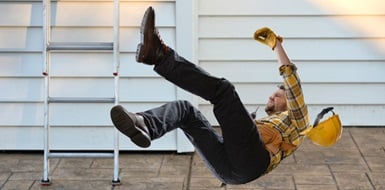
If a customer slips and falls and suffers a broken wrist, they could sue the restaurant for medical expenses, lost wages, and pain and suffering.
Slip-and-fall accidents are a common risk for restaurants because of wet floors from spills or mopping and heavy foot traffic. Uneven walkways, damaged flooring, and poor lighting in dining areas can also increase the risk of an accident. Weather factors like ice or rainwater near entrances and crowded spaces can create slipping or tripping hazards.
For example, an employee could mop the floor in the dining area but forget to put out a sign warning customers it's wet.
Restaurants can reduce the risk of slip-and-fall accidents by:
- Cleaning spills immediately
- Using visible warning signs
- Conducting routine inspections
- Maintaining flooring and walkways
- Training employees on hazard reporting
General liability insurance may help protect your restaurant if a customer is injured on your property. Coverage can help with third-party bodily injury claims, legal defense costs, and settlements or judgments.
Kitchen fires are among the most expensive restaurant insurance claims
Restaurant fire insurance claims are common because kitchens have several potential fire hazards. A fire could start because of grease buildup, faulty kitchen equipment, electrical malfunction, or improperly cleaned hoods and ventilation systems.
A kitchen fire can cause extensive damage and force a restaurant to temporarily close. For example, a grease fire could quickly spread through a restaurant kitchen, damaging cooking equipment, inventory, and part of the building. The restaurant may have to close for several weeks while repairs are completed, resulting in lost income.
Restaurants can reduce the risk of kitchen fires by:
- Scheduling hood and duct cleaning
- Inspecting cooking equipment regularly
- Training staff on fire safety procedures
- Maintaining fire suppression systems
- Storing flammable materials properly
The right coverage may help a restaurant recover from a kitchen fire. For instance, commercial property insurance can help with the repairs of damage to the building and the replacement of equipment, inventory, and other business property. Business interruption insurance would help replace lost income and cover certain ongoing expenses if a fire forces the restaurant to temporarily close.
Additionally, equipment breakdown coverage, if purchased, may cover losses due to equipment failures.
Employee injuries frequently result in workers' compensation claims
Restaurant employees may be exposed to hazards that can cause injuries. They could suffer burns from ovens, grills, and fryers, as well as knife cuts and falls. They might also develop back injuries from lifting heavy supplies or experience a repetitive motion injury.
For example, a line cook could suffer severe burns from hot oil and require emergency medical treatment, rehabilitation, and time away from work. An injury like this could result in significant medical expenses and lost wages while the employee recovers.
Restaurants can prevent workplace injuries by:
- Providing safety training
- Supplying protective equipment
- Creating safe lifting procedures
- Maintaining clean workspaces
- Encouraging prompt injury reporting
Workers' compensation insurance helps cover medical expenses, rehabilitation costs, and a portion of an employee's lost wages after a work-related injury or illness. Workers' comp policies also include employer's liability protection, which protects the restaurant from employee lawsuits related to workplace injuries.
Foodborne illness claims can damage finances and reputation
Foodborne illnesses can be caused by improper food storage, cross-contamination, undercooked food, poor employee hygiene, and contamination from suppliers.
For example, several customers could become ill from food poisoning after eating contaminated food at a restaurant. Health authorities will likely investigate the incident, and the affected customers may file claims for medical treatment and other damages. If word gets out, it could damage the restaurant's reputation, causing customers to lose trust in the business.
Restaurants can reduce the risk of foodborne illness claims by:
- Following food safety protocols
- Monitoring refrigeration temperatures
- Training staff on food handling
- Implementing sanitation procedures
- Conducting supplier quality reviews
General liability insurance can help with losses resulting from a food contamination incident. Additionally, general liability coverage often includes product liability coverage for claims involving food served by the restaurant.
If a covered incident forces the restaurant to temporarily close, business income coverage can help replace lost income and cover certain ongoing expenses.

Equipment breakdown and food spoilage can create significant losses
Restaurants depend on equipment to keep their food safe from contamination. Losses can happen quickly when a walk-in refrigerator fails, a freezer malfunctions, or an HVAC system stops working. Power outages and mechanical failures can also cause food to spoil.
For example, a walk-in refrigerator could go down over a holiday weekend when no employees are at the restaurant. By the time the problem is discovered, the restaurant may have to discard thousands of dollars in spoiled food inventory.
Restaurants can reduce the risk of equipment breakdowns and food spoilage by:
- Scheduling preventative maintenance
- Monitoring equipment performance
- Installing temperature alerts
- Maintaining backup procedures
Insurance may help restaurants recover from equipment and spoilage losses. Equipment breakdown coverage handles losses caused by mechanical or electrical equipment failures. Your commercial property insurance policy will cover certain types of damage to restaurant property, while a spoilage coverage endorsement may help cover food inventory that must be discarded after an incident.
Restaurants may also face claims involving damage to a customer's personal property.
For example, an employee could accidentally damage a guest's belongings while providing service. Establishments that offer valet parking could face vehicle claims requiring commercial auto insurance, while catering services could be held responsible for property damage that occurs at an event.
Serving alcohol can create additional liability risks. If a restaurant employee overserves a customer who later causes an accident, the restaurant could face a lawsuit. The restaurant could also be held responsible if an intoxicated customer injures someone else after being served alcohol.
Restaurants can reduce the risk of alcohol-related incidents by:
- Training employees
- Practicing responsible alcohol service
- Providing clear operating procedures
- Documenting all incidents
General liability insurance may help cover certain third-party property damage and bodily injury claims. Restaurants serving alcohol should also get liquor liability insurance, which can provide coverage for certain claims involving accidents caused by an intoxicated customer who was served by the business, and is often required by licensing boards or leases and lenders.
Why one restaurant claim often leads to multiple financial losses
When an incident occurs, a restaurant owner may focus on the immediate damage. However, one claim could result in several expenses.
For example, a kitchen fire could require expensive property repairs and equipment replacement. If an employee or customer is injured, the incident would also involve medical costs and legal expenses. The restaurant may lose revenue if it has to close while repairs are completed and employees recuperate.
An incident can also affect a restaurant's reputation. Customer complaints, negative reviews, or news coverage could cause customers to lose trust in the restaurant and take their business elsewhere.
A kitchen fire's ripple effect
A kitchen fire can result in several types of losses. It could damage the building, destroy cooking equipment, and force the restaurant to close for repairs. It could also lead to liability issues if a customer or a third party is injured.
Each of these losses may be covered with the right insurance policy, depending on your coverage limits and deductibles. Commercial property insurance may cover damage to the building and business property, while business interruption coverage would help with lost income during the closure.
Equipment breakdown coverage could also apply if an equipment failure was the cause or contributed to the incident. Liability coverage would likely activate if someone was injured or someone else's property was damaged.
A single type of insurance typically won’t cover everything when something happens. So, carrying multiple types of coverage would give you the broader protection your restaurant needs to weather a crisis.
Insurance policies that help protect restaurants from common claims
Having the right restaurant insurance coverage can help protect your restaurant when an accident, injury, or other unexpected event occurs. Here are some common policies restaurant owners should consider.
- General liability insurance: Protects against customer injuries, property damage, and some food-related liability claims.
- Commercial property insurance: Helps pay for damage to buildings, furniture, inventory, and equipment.
- Business interruption insurance: Can replace lost income after a covered event forces a temporary closure.
- Workers’ compensation insurance: Covers employee injuries and is required in most states.
- Liquor liability insurance: Important for restaurants that sell or serve alcohol to protect against injury or property damage claims involving intoxicated patrons.
- Equipment breakdown coverage: Helps cover repair or replacement costs after mechanical failures.
Top food businesses we insure



















Insureon can help protect your restaurant from common lawsuits and claims
Many restaurant insurance claims involve predictable risks, including injuries, fires, accidents, illnesses, and equipment failures. Strong safety practices can help reduce the likelihood of a claim, but unexpected incidents can happen even at well-managed restaurants. Having the right combination of insurance coverage can help protect your restaurant's finances when a claim, lawsuit, or interruption occurs.
It's easy to get small business insurance with Insureon. Just fill out our online application to receive a personalized restaurant insurance quote from our trusted insurance partners. Insureon's expert insurance agents are also available to answer any questions and help you find the most affordable business insurance for your needs.
Most small business owners can get same-day coverage and easily download a certificate of insurance (COI) as soon as they purchase a policy.
Cyrus Vanover, Contributing Writer
Cyrus is a finance and insurance writer who is passionate about helping people and businesses succeed. He is also the author of the book "Earn a Debt-Free College Degree." He has written for some of the largest financial institutions in the country including TD Bank, Citizens Bank, and many credit unions. Cyrus has also contributed to Newsweek. Based in the Blue Ridge Mountains of Virginia, he enjoys hiking the local trails and exploring old Civil War battlefields and other historical sites in his spare time.