Ghost kitchen insurance: What delivery-only restaurants need to stay protected
Learn about our editorial policies


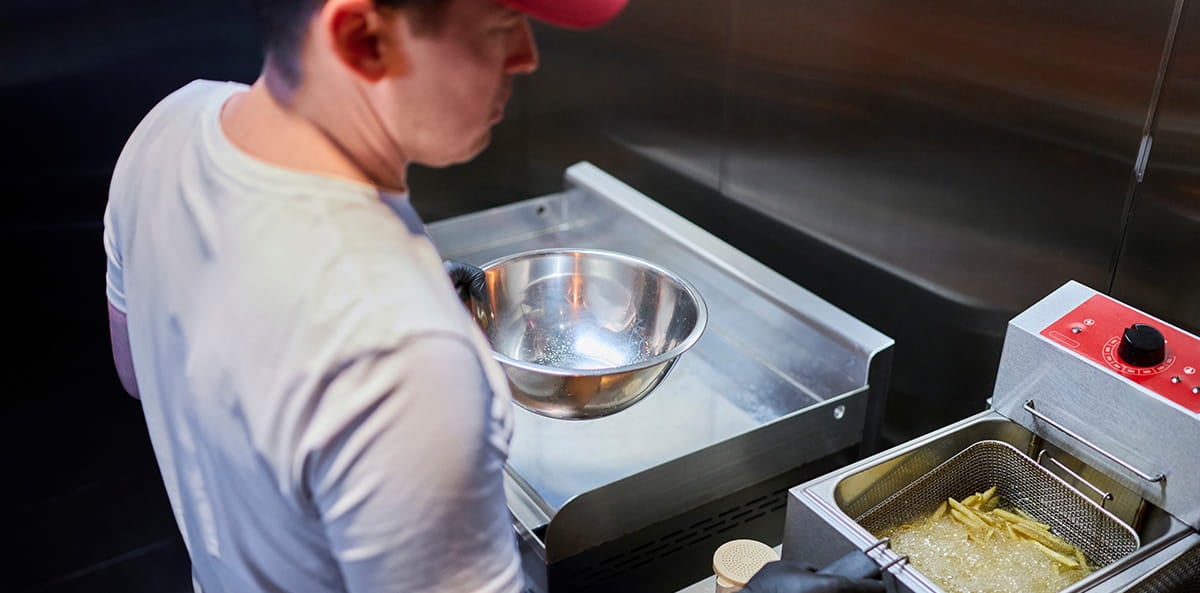
The way people eat out has developed a lot over the last decade. It's no longer about customers going to their favorite eatery and being wined and dined over multiple courses and hours. Instead, many are opting to eat in the comfort of their own home with their PJs and streaming services on.
Restaurants have responded to that shift. Ghost kitchens, also known as cloud kitchens, dark kitchens, or virtual restaurants, can be found across all kinds of markets and cuisines, from fast food to fine dining. The business model removes in-person dining from the equation, making the enterprise delivery-first.
The smaller scale of the restaurant reduces overhead, including major costs like space and labor needs. That makes it easier for a restaurateur to start up their business or expand locations.
But that doesn't necessarily mean lower risk. Ghost kitchens still face lawsuits, property losses, employee injuries, and cyber threats. Any of these incidents can threaten the business's operation if they aren't sufficiently protected. Unfortunately, many operators make the costly mistake of assuming a basic general liability policy or commissary agreement will adequately cover them.
- What is a ghost kitchen?
- What risks do ghost kitchen operators face?
- What insurance does a ghost kitchen need?
- Does a shared kitchen or commissary require insurance?
- 4 common insurance mistakes ghost kitchen owners make
- How to find the right ghost kitchen insurance coverage
- Find affordable ghost kitchen insurance quotes with Insureon
What is a ghost kitchen?
A ghost kitchen is a restaurant with no dine-in service. Usually, they're delivery-only. Some ghost kitchens offer takeout orders. However, they don't allow walk-ins, and the food must be pre-ordered. That's typically done through third-party delivery services (like DoorDash, Grubhub, or Uber Eats), websites, or mobile ordering platforms.
There are different ways to set up a ghost kitchen. Some operate from a dedicated commercial kitchen. Others use a commissary kitchen, where they share the space and equipment with other restaurants, either simultaneously or in shifts. There are also companies that allow you to rent a turnkey, private kitchen unit in their large, multi-tenant facility.
Because of the virtual, digital-only presence, some operators run multiple brands from one location.
Why ghost kitchens have different insurance needs than traditional restaurants
When it comes to insurance, there are some pros and cons to having a ghost kitchen rather than a traditional restaurant.
The obvious advantage is you don’t have to worry about dining room exposure. That means accidents and liabilities involving customers and front-of-house staff are limited or reduced.
However, ghost kitchens have a greater reliance on delivery platforms and a larger dependence on online ordering and technology in general. If a ghost kitchen is sharing kitchen space, there may be a need for contractual insurance. And if a restaurateur decides to create multiple virtual brands, that also brings up intellectual property considerations.

What risks do ghost kitchen operators face?
There are many adverse events ghost kitchens are exposed to, including:
| Type of risk | Examples |
|---|---|
Foodborne illness related to:
| |
Property and equipment damage |
|
| |
Cyber and technology-related incidents |
|
There's also a liability gray zone when an incident occurs after an order leaves the kitchen and is in a delivery driver's hands. In some cases, the third-party delivery platform's insurance coverage may not fill this gap.
If an operator is running multiple brands, that also introduces more risk. For example, if they share the same surfaces or equipment and customers experience cross-contamination or allergen-related incidents, claims can be targeted at two (or more) separate brands.
What insurance does a ghost kitchen need?
To fully protect your ghost kitchen's operation, there are a few types of insurance your restaurant should consider. By purchasing these different types of coverage, you'll gain peace of mind knowing your business is protected from a wide range of unexpected events.
The top policies to consider are:
General liability insurance
Many businesses start their insurance journey with general liability insurance. This policy covers you against common third-party lawsuits and accidents, including:
- Bodily injury, like if a supplier slips and falls in your kitchen and sprains their ankle
- Property damage, such as if a delivery driver accidentally breaks a customer’s lawn decoration
- Advertising injuries, including copyright infringement claims involving another business’s marketing materials or false advertising accusations over misleading statements in your ads
If a diner sues your ghost kitchen after getting sick from one of your dishes, having an allergic reaction to an ingredient, or getting hurt from a packaged food item, product liability insurance would cover your legal expenses. This coverage is typically included in a general liability policy.
Commercial property insurance
Commercial property insurance helps your business recover from theft, fire, bad weather conditions, and vandalism that damage or destroy your business property. Not only does it cover the property itself, but also its contents.
This is especially important if you've invested heavily in kitchen and cooking equipment like ovens, ranges, fryers, refrigerators, freezers, and dishwashers. Most inventory is also protected under a commercial personal property insurance policy. Additionally, coverage can include tenant improvements, such as new flooring, lighting, or other upgrades you make to a rented space.
Commercial property insurance can be purchased whether you own or rent a building. In fact, if you're a tenant, landlords typically require this type of coverage before you sign the lease.
Food spoilage coverage is an endorsement that is highly recommended to add to your commercial property coverage. It handles reimbursement costs for spoiled inventory due to events like power outages, equipment failure, or equipment contamination.
Workers’ compensation insurance
Cyber insurance
When you rely on technology to handle orders and customer information, your business is vulnerable to cybersecurity threats, like data breaches and social engineering attacks. And, even if your digital ordering platform or payment system is operated by a third party, you could be held responsible.
Cyber liability insurance covers costs related to a cyberattack, namely:
- Data breach response costs, including state-mandated steps like notifying affected customers and providing credit identity monitoring
- Ransomware payments to meet cyber extortion demands
- Third-party recovery services, such as cybersecurity experts or a crisis management team
Many cyber insurance policies also include business interruption coverage, which will help keep your business afloat if a cyberattack forces you to temporarily pause operations.
Even if you use third-party apps to process orders and payments, your ghost kitchen can still be vulnerable to data breaches, ransomware, and phishing attacks. Cyber insurance can help protect your business if those risks become a reality.
Hired and non-owned auto insurance (HNOA)
If you use your own delivery drivers for your ghost kitchen and they drive their personal vehicles, then hired and non-owned auto coverage is best for third-party liability claims. That’s because personal auto insurance usually excludes work-related activities.
Even if your business doesn’t own any cars or handle its own deliveries, auto insurance should still be a consideration. That’s because there are always errands to run related to your business.
For example, say your chef is missing an ingredient and gets in an accident on the way to the store. If they are in their own car, there’s a fair chance his personal auto policy wouldn’t pay for any third-party damages or injuries. However, if you have an HNOA policy, you’d be covered.
Hired and non-owned auto insurance also protects you if the accident happened in a car that you were renting or leasing. Regular commercial auto insurance doesn’t apply in these cases, because a vehicle has to be registered in the business’s name to be covered.
Commercial umbrella insurance
If you’ve reached the limits under your existing policies, commercial umbrella insurance can provide increased liability coverage. It can supplement eligible payouts for general liability, employer’s liability, and commercial auto or HNOA insurance.
Umbrella policies are a cost-effective way to increase your coverage limits and are especially relevant if your ghost kitchen operates multiple brands with compounding liability exposure.
Equipment breakdown insurance
A special endorsement you might add to your commercial property policy is equipment breakdown insurance. This specific protection fills a coverage gap that many policies leave open.
Usually, under your commercial property insurance, you'll only get reimbursed for equipment breakdowns if they're a result of covered events. But equipment breakdown insurance covers losses from sudden and accidental malfunctions, including mechanical or electrical failures. It will pay for repair and replacement of covered equipment.
There are some important exclusions, however. For example, normal wear and tear is not covered and the equipment has to be properly maintained. Also, inventory loss, like if your refrigerator or freezer breaks, may not be included. To be reimbursed, you would need food spoilage insurance instead.
Business interruption insurance
Because virtual restaurants are dependent on their kitchens, if something like a grease fire or an equipment failure occurs and shuts down the business for a while, that can be crippling.
For cases like that, you’ll want to look into business interruption insurance. This policy covers lost income and day-to-day expenses during a temporary closure.
A shared kitchen or commissary is like a coworking space for restaurants. But instead of sharing conference rooms and printers, you share ovens and freezers with those around you. Of course, when you go into a WeWork, no one verifies your insurance. With shared kitchens, however, it’s a bit different.
Many commissaries require proof of liability insurance, often in the form of a certificate of insurance (COI). That’s because they’re watching out for other vendors who would be affected by any mistake you make. And, if you damage expensive kitchen equipment, they want to know you have a policy that will pay for it. They often require certain per-occurrence policy limits.
One additional step you may have to take before they let you start cooking in their facility is to name them as an additional insured on your policy.
How kitchen insurance requirements vary by state
Because ghost kitchens are still an emerging industry, different markets are still figuring out how to regulate them. That's true with insurance requirements, which vary significantly by state.
One state that may be considered ahead of the game is California. Its heavy virtual restaurant presence means insurance requirements have already been passed for commissaries and shared cooking facilities. Of course, California ghost kitchen operator insurance laws are constantly changing, so restaurateurs should carefully review the latest information.
It's important no matter which state your business is based in that you carefully read lease and operating agreements and verify required coverage limits.
4 common insurance mistakes ghost kitchen owners make
Some ghost kitchen owners feel like their simplified business model means they can skimp on insurance. Unfortunately, there are a few who have found out that a strategy like that hurts them in the long run.
Here are four mistakes some restaurateurs make and how you can shield yourself from insurance coverage gaps:
1. Relying on your delivery apps for complete protection
Platforms like DoorDash, Grubhub, or Uber Eats require their drivers to maintain their own auto insurance. And some of these companies provide limited protection if the driver is in an accident and exhausts their policy limit. But they do not step in at all if there is a problem with the food (such as an allergen issue, foreign object, etc.). For those issues, you will need your own business insurance.
2. Forgetting to insure multiple brands
One of the great things about operating virtual kitchens is the flexibility. If you have the space to prepare food, you can go any way you want: pizza, tacos, sushi, or acai bowls. Then you just market the items under different brand names, and no customer needs to know it's the same people behind each cuisine.
However, it's important for your insurance company to know the full picture. All operating brands should be disclosed to insurers. This helps avoid coverage issues.
For example, if a customer sues “Tina's Tacos” because they got food poisoning, but all the insurance paperwork is done under “Susie's Sushi,” then the claim may be denied, even though you own and operate both brands from the same ghost kitchen.
Insuring all your brands also helps protect the names, logos, and other marketing materials from copyright infringement and intellectual property (IP) disputes.
As your business adds new brands, menus, and marketing assets, your insurance and risk management strategies need to evolve with it.
3. Overlooking cyber risks
Ghost kitchens are essentially digital-first businesses. Because of that, a heavy amount of your operation's data, including your customers' information, is online. While you may not think a cybercriminal would be interested in going after your small business, a study showed that in North America between January and April 2026, 43% of all cyber attacks targeted small businesses.
Plus, when you integrate a third party into your operations, like online platforms, that widens the field for a cybercriminal to breach your data. This is especially true if passwords are reused and many employees are given access.
4. Purchasing coverage based only on price
Picking the cheapest policy can be an enticing way to lower your restaurant business costs, but it can also create a lot of problems, like coverage gaps.
For example, if there’s a kitchen fire and your restaurant has to close for a few weeks, how would you pay your employees or your rent? Business income insurance, also called business interruption coverage, would cover those expenses, but you would have to buy it as an add-on to your commercial property policy.
You’ll also want to pay attention to limits and exclusions. Some kitchen equipment is very costly, and if your maximum payout amount is low, the limit can be reached quickly.
Always do your best to match coverage to your actual operations. With insurance, a one-size-fits-all approach is rarely the best policy. You want to customize your coverage to fit your business needs.


How to find the right ghost kitchen insurance coverage
To find an insurance policy that will work best for your small business, you’ll first want to evaluate your operations, employees, equipment, and technology dependencies. This will help determine what your needs and risks really are.
If you’ve already found the location for your ghost kitchen, then it’s important to review the lease and commissary requirements. The landlord may have specific insurance demands.
How you structure your business matters, too. Because liability differs among sole proprietorships, LLCs, and corporations, coverage needs are impacted. And don’t let the term “limited liability company” fool you. That doesn’t eliminate the need for business insurance. It’s best to consult with a licensed insurance agent to ensure your policy aligns with how your business is legally organized.
To save money, you may consider bundling coverage. Two common bundles include a business owner’s policy (BOP) and a commercial package policy (CPP), which bundle general liability insurance with commercial property coverage. A CPP is typically purchased by larger food businesses with higher risks, including small ghost kitchens with several employees.
And it’s always valuable to compare quotes from multiple insurance companies. Since delivery-only restaurants are fairly new, some carriers are hesitant to offer coverage. In those cases, operators may need to seek out specialty insurers who are more familiar with the ghost kitchen model.
Find affordable ghost kitchen insurance quotes with Insureon
In emerging industries like ghost kitchens, insurance may be harder to find than with more traditional models, like dine-in restaurants. That’s why it’s vital to use a company like Insureon that lets you compare multiple insurance carriers’ quotes side-by-side.
Start by filling out a simple application, and our expert agents will identify options that match your business model and insurance requirements. You’ll get a quote with rates from top providers with coverage that’s designed for small businesses, like yours.
We’re happy to answer any questions and help you select the coverage that's right for you. After making your selections, coverage can begin the same day. You’ll also have access to our client portal, where you can find your policy documents and download a certificate of insurance (COI).