

Find insurance quotes for hair removal businesses
Save money by comparing insurance quotes from multiple carriers.

If you run a waxing, threading, or laser hair removal business, liability insurance can protect you and your business from client injury claims and lawsuits. It helps cover burns and scars from treatments, everyday accidents, and data breaches. In many cases, laws and contracts require insurance.
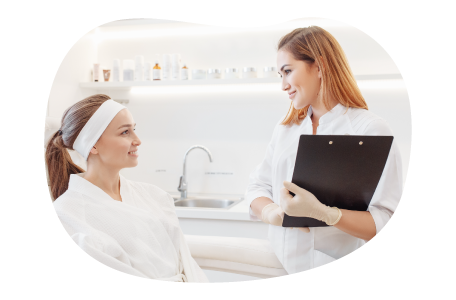

With Insureon, hair removal techs and waxing salons can get coverage the same day they apply for quotes.
Fill out our easy online application to get free quotes. A licensed agent who understands your risks will help you choose the right policies.
These policies cover common risks faced by hair removal salons.

A general liability policy covers basic third-party risks, such as a customer who sues over your use of their image on social media. It's sometimes called public liability insurance.

A BOP bundles general liability coverage and commercial property insurance at a lower rate than if they were purchased separately. Most small salons are eligible.

This policy covers legal defense costs if a hair removal specialist is sued for a mistake or oversight. It's also called errors and omissions insurance (E&O).

Most states require workers' comp for hair removal businesses that have employees. It also protects sole proprietors from work-related medical bills that health insurance might deny.

Cyber insurance covers costs related to data breaches and cyberattacks. It's strongly recommended for hair removal techs who store email addresses and other personal information.

Commercial auto insurance helps pay for accidents involving a vehicle owned by a beauty salon or wax center. Most states require this coverage for vehicles owned by a business.

A hair removal technician who works as an independent contractor won't have to pay a lot for insurance.
Average personal care business insurance costs include:
A cost-effective option for small salons is a business owner's policy, which bundles general liability and commercial property coverage at an average of $79 per month.
Several factors affect insurance premiums for hair removal businesses during the underwriting process, such as:
It's easy to get hair removal business insurance if you have your company information on hand. Our application will ask for basic facts about your business, such as revenue and number of employees. You can buy a policy online and get a certificate of insurance (COI) with Insureon in three easy steps:
Insureon's licensed agents work with top-rated U.S. providers to find coverage for your unique risks in the personal care industry, whether you offer hair removal or other services, like injectables, microblading, tattoo removal, or permanent makeup.
Hear from customers like you who purchased small business insurance.
Review answers to frequently asked questions about insurance coverage for waxing, threading, dermaplaning, laser, and IPL hair removal.
Whether you're required by law to carry liability insurance depends on the specific procedures you offer and your location. Some states have strict requirements for med spas and similar businesses, especially those that use lasers or intense pulsed light.
For instance, in New Jersey only licensed physicians are allowed to perform laser hair removal, and they must carry medical malpractice insurance. Other states may mandate physician supervision, a professional license or hair removal certification, liability insurance, or some combination of the above.
Even when your state licensing board doesn't require it, you may still need a certificate of insurance to sign a commercial lease, apply for a business loan, get a permit for your facility, or work at a specific location. Being insured helps protect you against professional negligence lawsuits, which is especially important when you use techniques that could cause harm.
Yes, waxing and other hair removal methods bring a substantial risk of client lawsuits, which is why you need professional liability insurance. You might also see this coverage called errors and omissions insurance (E&O).
In some cases, estheticians and others may be required to carry professional liability coverage. For example, the supervising physician at a med spa might require a hair removal specialist to have a policy as a condition of working at their facility.
Professional liability insurance protects you if a client suffers a burn from hot wax or an incorrect laser setting, or if they sue over an adverse effect like hyperpigmentation. In the event of a lawsuit, a professional liability policy will pay for attorney's fees, court costs, settlements, judgments, and other legal expenses.
Most commercial insurance policies only cover business owners and their employees. That's why owners of med spas often require freelancers and independent contractors to buy their own general liability and professional liability coverage.
Having your own policy shields you from financial losses related to your services. It can help freelancers attract clients and grow their business, as anyone who works with them knows they're protected.
Even when it's not required, freelancers should still invest in liability insurance—both professional liability and general liability—due to the high cost of litigation and medical bills. Otherwise, a single accident or dissatisfied client could potentially bankrupt your business.
Additionally, freelancers should make sure to cover their own laser devices and other supplies with tools and equipment insurance, also called inland marine insurance. This coverage follows you wherever you go, protecting your business property in transit, at salons, and when stored off-site.
For a comprehensive risk management strategy, hair removal specialists may want to consider other types of coverage, such as:
It's easy to find cheap business insurance with Insureon. Our easy online application lets you compare quotes from trusted insurance companies to find policies that fit your budget and your unique risks.
Other ways for laser technicians and waxing centers to save money on insurance include:
Our insurance agents can help you find affordable laser, IPL, or waxing insurance solutions for your business, whether you work independently or hire employees.