

Find insurance quotes for medical spas
Save money by comparing free quotes from top-rated providers

Med spas are booming with the popularity of Botox and other anti-aging treatments, but that popularity brings risk. A client could sue over a burn from laser hair removal, or lack of physician supervision for a medical procedure. Medical spa insurance covers costly legal issues and accidents that could otherwise force your spa to close.
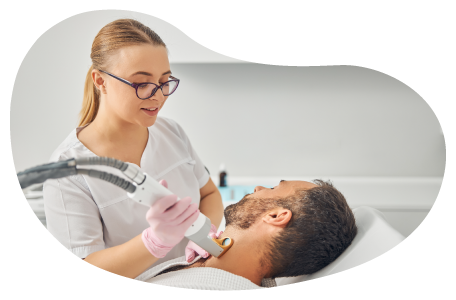

Insureon helps aestheticians find the right types of coverage that match your unique needs.
Get free expert advice and peace of mind knowing you have the best insurance for your medispa.
These insurance policies cover common risks in the medical spa industry.

A general liability policy covers basic third-party risks, such as a customer who slips while getting into a chair for a facial treatment. Bundle it with commercial property insurance for savings in a BOP.

A BOP bundles commercial property insurance and general liability coverage under one plan. It's one of the most cost-effective types of commercial insurance for medical professionals.

Professional liability coverage for medical spas pays for legal costs related to your work, such as blemishes caused by a microdermabrasion treatment. It's also called medical malpractice insurance.

Most states require workers' compensation for medical spas that have employees. It also protects sole proprietors from work injury costs that health insurance might deny.

Cyber liability insurance covers costs related to data breaches, ransomware attacks, and cyberattacks. It's strongly recommended for med spas that handle credit card data and other personal info.

Commercial auto insurance covers the cost of accidents involving a vehicle owned by a medical spa. Most states require this coverage for vehicles owned by a business.

A small med spa will pay less for business insurance than a larger spa with several aesthetic nurses.
Average medical spa insurance costs include:
A cost-effective option for spa service providers is a BOP, which bundles liability and property coverage for less than the individual policies. On average, Insureon medical spa facilities pay $102 per month for a BOP.
Underwriters look at a wide range of factors when determining med spa insurance premiums, such as:
It's easy to get medical spa insurance, day spa insurance, or permanent makeup insurance if you have your company information on hand. Our application will ask for basic facts about your company, such as revenue and number of employees. You can buy a policy online and get a certificate of insurance (COI) with Insureon in three easy steps:
Insureon's licensed agents work with top-rated U.S. insurance companies to find coverage that fits your spa, whether you work independently or hire employees.
Hear from customers like you who purchased small business insurance.
"For med spas, general liability covers accidents around your business, while professional liability covers claims tied to treatments like Botox, fillers, and laser procedures. The key is making sure your policy includes the services you actually provide."
Review answers to common questions about med spa insurance and more.
Requirements for medical spa malpractice insurance vary depending on your state and local regulations.
Depending on the services offered, some states may require procedures to be performed under the supervision of a licensed physician, medical director, or other qualified healthcare professional. Even when malpractice coverage isn't mandated, it's an important part of a comprehensive risk management strategy.
It's important to note medical spas and medical aesthetic clinics aren't always regulated the same way. Licensing, supervision, and insurance requirements can differ based on the services provided and the healthcare professionals performing them.
While med spa professionals strive to provide high-quality care, complications, mistakes, and client dissatisfaction can still occur. For example, a client may initially be happy with a laser hair removal treatment, chemical peel, or injectable procedure, but later allege the service was performed improperly or they weren't adequately informed of potential risks.
Medical malpractice insurance can help cover legal defense costs, settlements, and judgments resulting from claims involving Botox injections, laser treatments, dermal fillers, weight-loss services, and other medical spa procedures.
Yes, most med spas need both general liability coverage and professional liability insurance because they cover different types of risks.
General liability insurance covers third-party claims involving bodily injury, property damage, and advertising injuries that aren't related to professional services. For example, it could help pay for medical expenses if a client slips and falls in your waiting room or if you accidentally damage a client's property while providing a service.
Professional liability insurance (also called medical malpractice insurance) covers claims that arise from the professional services you provide. For example, it can help cover legal costs if a client alleges an injection, body sculpting treatment, or other procedure caused an injury or failed to meet the expected standard of care.
It's important to review your policy carefully because coverage can vary by insurer. Some treatments and procedures may be excluded or require additional underwriting, endorsements, or separate coverage. Higher-risk services, such as laser treatments, PRP and IV therapy, or certain cosmetic procedures, may have different coverage requirements than lower-risk wellness services.
Because med spas often provide a mix of medical and non-medical services, carrying both general liability and professional liability coverage helps ensure you have protection against a broader range of claims.
The difference between occurrence-based and claims-made policies is when coverage applies to a claim.
Occurrence-based policies cover incidents that happen while the policy is active, even if the claim is filed years later. For example, if a client suffers a burn from a laser treatment while your policy is in force, the policy can still respond even if the client doesn't file a lawsuit until after the policy has expired. General liability policies are commonly written on an occurrence basis.
Claims-made policies cover claims only if both the incident and claim occur while the policy is active (or after the policy's retroactive date). This is the most common coverage form for professional liability and medical malpractice policies. For example, if a client alleges a dermal filler treatment caused an injury, the claim must be reported while the policy is active for coverage to apply.
Because many complications from cosmetic and wellness procedures may not become apparent immediately, tail coverage is especially important for medspas. Tail coverage extends the reporting period for a claims-made policy, allowing you to report claims after the policy ends for incidents that occurred while coverage was active. This can be valuable if you change insurance carriers, retire, sell your business, or stop offering certain services.
When comparing insurance options, medical spa owners should pay close attention to whether a policy is occurrence-based or claims-made, as well as any retroactive date, reporting requirements, and tail coverage options. These details can significantly affect coverage for higher-risk procedures and the medical professionals who perform them.
Recording or photographing customers can be a great social media tactic to promote your personal care services or medical spa. However, this initiative can come with some unique risks, so it's best to have your customers sign a waiver before sharing their images or videos on your website and social media accounts.
Unless an image you want to share to promote your business has a Creative Commons license, you could face serious legal consequences if you weren't given permission to use it.
A social media insurance policy, which is typically included in general liability insurance coverage, can protect med spa owners from even the most frivolous claim of copyright infringement or privacy violation. This policy would protect your business from financially devastating effects of a lawsuit or settlement.
Should a customer experience an allergic reaction to any product you sell or use on them, a cosmetics product liability insurance policy will help pay for your defense costs, legal fees, and any settlement or court-ordered judgment.
This coverage offers protection from:
Illness caused by a product. Product liability insurance coverage safeguards your medical spa from illnesses caused by products sold or manufactured by your business. That includes allergic reactions from skin and beauty products.
Injury caused by a product. If a client suffers a bodily injury from a beauty or personal care product you made or sold, this insurance can cover the cost of hiring an attorney and any financial losses associated with the product liability claim.
In addition to general liability and malpractice insurance, many medical spas benefit from additional coverages that address their property, employees, vehicles, and specialized healthcare risks, such as:
The average costs on this page were derived from our data on small business owners in the medical spa field who purchased policies through Insureon. Most of our customers have less than five employees, annual revenue ranging from around $50,000 to more than $200,000, and five years or less in business.