Pop-up restaurant insurance: What coverage do you need?
Learn about our editorial policies


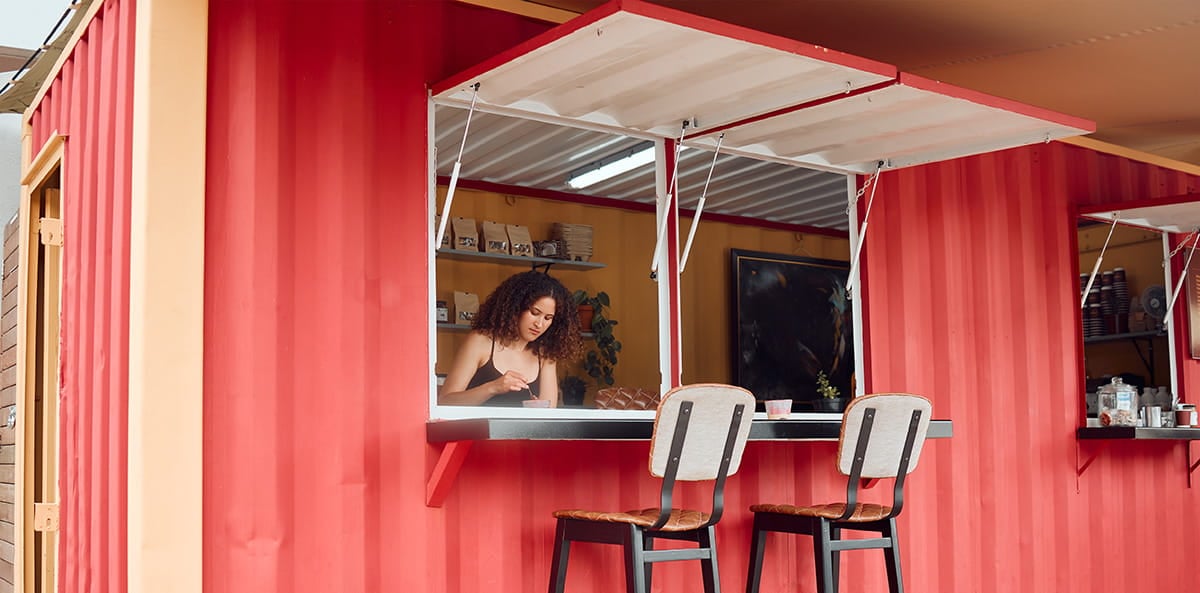
As the culinary industry continues to thrive, many budding chefs are running pop-up restaurants to grow their food-service businesses. From food trucks and empty storefronts to outdoor festivals and underground supper clubs, these temporary dining spots are a way for culinary entrepreneurs to generate buzz without needing a huge upfront investment.
Whether you run a temporary pop-up restaurant, full-scale dining establishment, or ghost kitchen that focuses on delivery, food-service businesses face a lot of risks. Having pop-up restaurant insurance can protect you from common food-business liabilities, like a customer slipping on a wet floor, a major food-poisoning claim arising after an event, or an employee suffering bad burns.
Of course, the right coverage depends on how your pop-up restaurant operates, what you're serving, where it's located, and if you have employees. But don't worry, this guide breaks it all down for you, so you can protect your pop-up and focus on wowing your customers.
What insurance does a pop-up restaurant need?
While there isn't an official "pop-up restaurant insurance" or "pop-up shop insurance" policy, small business insurance for pop-ups typically involves combining multiple types of coverage based on your operation's specific risks. Here are the core policies most pop-up restaurant owners consider:
General liability insurance
General liability insurance covers common business risks involving third parties. As a pop-up restaurateur, you may see this coverage called public liability insurance. This policy covers two main categories of risk:
- Bodily injury, like if a customer is burned by hot food or equipment, or a food critic trips over a power cord and breaks their wrist
- Property damage, such as damaging the venue, rented space, or a patron's belongings during an event
Taking steps to prevent customer injuries and property damage can help reduce your risk, but a general liability policy will protect you if a claim arises anyway.
Product liability insurance
Even if your pop-up diner closes after two days, food-service risks don't end there. Product liability insurance covers claims arising from products you serve or sell, such as:
- A customer getting sick after eating one of your dishes
- A diner having an allergic reaction to an ingredient
- A customer getting hurt from a packaged food item sold at the event
Rather than needing a standalone or monoline product liability policy, this coverage is typically part of a general liability policy under the products-completed operations coverage. This covers claims that arise from products or completed work, even after an event is over.
Tools and equipment insurance
Pop-up restaurants operate on portability, routinely loading, hauling, and setting up equipment and supplies at different venues. But this movement brings new exposures to your business property a standard commercial property insurance policy may not cover.
Tools and equipment insurance, also called inland marine insurance, is a form of property insurance that protects equipment, inventory, and other movable property while in transit or at off-site storage. For pop-up restaurants, this includes:
- Portable cooking equipment, like grills, burners, and fryers
- Small appliances, such as warming trays, coolers, and blenders
- Food inventory and supplies
- Tents, tables, and serving equipment
- Point-of-sale (POS) systems and payment processing hardware
If any of your equipment is lost, stolen, or damaged during transit or at a venue, tools and equipment insurance would help cover the cost of the repair or replacement.
Workers' compensation insurance
Food service can be physically demanding work and workplace injuries like burns, cuts, and slips can happen to anyone. If your pop-up restaurant employs staff, even part-time or seasonal workers, most states require you to carry workers' compensation insurance.
This coverage pays for medical costs and disability benefits if an employee suffers a work-related illness or injury. For example, if a chef at your pop-up event cuts themselves while prepping food, a workers' comp claim would cover their ER visit, medication costs, and a portion of their lost wages while they recover.
Additionally, workers' compensation typically includes employer's liability insurance. This covers your attorney's fees, court costs, and other legal expenses if an injured employee decides to sue.
Liquor liability insurance
If your pop-up restaurant serves or sells alcohol, general liability insurance may not be enough. In fact, the majority of states have dram shop laws that hold your business accountable if you sell alcohol to a visibly intoxicated person who goes on to injure someone or damage property.
Liquor liability insurance protects you against lawsuits over incidents related to alcoholic beverage service. For example, if someone who became intoxicated at your pop-up event gets into a car accident or assaults another patron, your business could be sued for damages. A liquor liability policy would pay your attorney's costs and other legal fees.
This coverage can typically be purchased as a standalone policy or added to a business owner's policy (BOP) or general liability policy. Even if your state doesn't mandate it, many venues and event organizers require liquor liability coverage if you're planning to serve alcohol on their premises.

Do pop-up restaurants need insurance for every event?
Yes, any time your pop-up business is operating and serving customers, you should have insurance coverage in place. However, the right policy depends on how often you run events.
For one-time pop-ups, a short-term liability policy or special event insurance could be sufficient. These policies are designed for single events or short windows of time.
But if your pop-up runs multiple times per year, an annual policy usually makes more sense financially and practically. This is because:
- Coverage between events is important. Certain claims, like foodborne illness, can arise days or even weeks after an event. Canceling or letting a policy lapse between pop-ups could leave you exposed to a claim from a prior event without active coverage.
- Annual policies reduce coverage gaps. Instead of securing coverage before each pop-up event, an annual policy provides more comprehensive protection, removes gaps in coverage, and can save you money in the long run.
- Consistent coverage can simplify venue requirements. Having an active policy year-round makes it easier to provide proof of insurance on short notice when a new venue requests it.
What insurance do venues require from pop-up restaurants?
Certificate of insurance (COI): A COI proves your coverage is active and meets the venue's requirements. Keep this document handy, as some organizers require it well before the event date.
Additional insured: A venue or event organizer may ask to be added to your policy as an additional insured. This extends your liability coverage to protect them in the event of a claim arising from your pop-up restaurant.
Liability limits: Most venues will set minimum liability coverage limits, with $1 million per occurrence being the most common. Make sure your policy meets or exceeds these requirements before signing a contract.
Special requirements: Serving alcohol, using open-flame cooking equipment, or operating in certain venue types can bring additional insurance and licensing regulations.
These requirements vary by venue and organizer, so it's important to review a contract before purchasing insurance. Insureon's licensed agents can help you find the right coverage, without paying for more than you need.
How much does pop-up restaurant insurance cost?
Pop-up restaurants and mobile vendors often have different insurance needs from brick-and-mortar establishments, and determining your food business insurance costs depends on how your business operates. To calculate the cost of pop-up restaurant insurance, underwriters consider many factors, including:
- Types of food and beverages served: Pop-up restaurants that serve alcohol typically pay more for insurance because of the increased risk of liquor liability claims. Businesses that use open flames, deep fryers, or specialized cooking equipment may also face higher premiums due to the greater risk of fires and accidents.
- Number and frequency of events: The more frequently you have pop-up events, the more opportunities you have for an incident. Pop-up restaurants with regular events will usually pay higher premiums than businesses with one or two events per year.
- Annual revenue: Pop-up restaurants with higher revenue usually have greater customer traffic and larger operations, which can increase the likelihood of claims and lead to higher premiums.
- Location: Your event location can affect insurance rates based on factors such as local crime rates, weather risks, fire protection services, and regional liability trends. For example, venues located in areas prone to hurricanes, flooding, or theft may pay more for coverage.
- Number of employees: Pop-up businesses with more employees generally pay higher workers' compensation premiums because there are more opportunities for workplace injuries. Payroll size also plays a major role in determining workers' comp costs.
- Equipment and business property: The value of your kitchen equipment, supplies, and inventory can impact your insurance costs. Expensive or specialized equipment often costs more to repair or replace after a covered loss.
- Coverage limits and deductible: Choosing higher coverage limits usually increases your premium, while selecting a higher deductible can lower monthly costs. Optional endorsements and coverage exclusions can also affect the overall price of your policy.
- Claims history: A business with a clean history of claims typically has lower insurance rates than a company that has filed a claim on its policy.
Most insurance companies offer monthly payment options to help with cash flow. However, paying the full annual premium upfront typically results in cost savings. You should speak with your insurance agent about the different payment plan structures they offer to determine the right plan for your business.


How to get insurance for a pop-up restaurant
Getting the right insurance coverage for your pop-up restaurant takes just a few steps. Here's how to get started:
- Identify your location and how you operate. Make a list of the venues, events, food preparation methods, and cooking equipment you use.
- Check venue requirements. Review contracts for each venue or event, noting liability limits, additional insured requests, and COI deadlines.
- Choose coverage based on your risks. Consider general liability, product liability, tools and equipment insurance, workers' comp, and liquor liability coverage depending on how your business operates. Managing your policies in one place makes it easier to track and renew coverage on time.
- Compare quotes. Comparing small business insurance quotes from multiple A-rated insurance providers will help you secure coverage that fits your business and budget.
- Get proof of insurance. Once your coverage is active, be sure to get a certificate of insurance for each policy and keep it accessible for any event planner or venue that requests it.
Protect your pop-up restaurant before your next event with Insureon
Pop-up restaurants may be short-term events, but temporary doesn't mean risk-free. Having the right insurance coverage can protect your food business against customer injuries, food contamination claims, property damage, and other unexpected costs.
Insureon's licensed insurance agents can help you secure affordable insurance coverage for all of your small business needs. With just one easy online application, you can compare quotes for general liability, workers' comp, and more from our top-rated insurance partners.
Once you find the right policies, you can typically begin coverage and get a certificate of insurance (COI) for your pop-up restaurant business in less than 24 hours.
Julie Watt, Content Editor
Julie writes blog posts and site content that breaks down complex topics, provides expert advice, and helps connect small business owners with the best insurance solutions. Before joining the Insureon team, Julie worked as a copywriter and content strategist for ad agencies and in-house creative marketing teams to bring brand stories to life and connect loyal consumers with quality products. She’s built and led copy teams at companies such as T.J.Maxx, Amazon, and BISSELL.