

Find insurance quotes for AV technicians
Save money by comparing insurance quotes from multiple carriers.

Your clients rely on your equipment and expertise. If you fail to capture a live event, the result could be a lawsuit. Business insurance can help pay for legal costs, theft of cameras and other gear, and medical bills from accidents. You'll need insurance to comply with laws and contract terms.
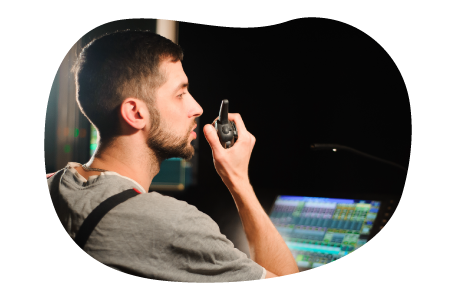

With Insureon, audio-visual technicians can get quotes from trusted insurance companies with our easy online application.
Our licensed experts will help you find the right coverage for peace of mind and protection against costly accidents.
These insurance policies cover the most common risks in the AV industry.

A general liability policy covers basic third-party risks, such as an audience member who trips over your tripod and suffers an injury. Clients and venues may require this coverage.

A BOP bundles commercial property insurance and general liability coverage in a cost-effective insurance package. Most small businesses with low risks are eligible.

This policy, also called errors and omissions insurance (E&O), covers legal fees if an AV technician is accused of negligence. You can often combine it with a general liability policy or BOP.

Most states require workers' comp for audio-visual businesses with employees. It also protects sole proprietors from work-related medical bills that health insurance might deny.

Commercial auto insurance covers financial losses when a vehicle owned by an AV company is involved in an accident. Most states require this coverage for business-owned vehicles.

Cyber liability insurance helps AV technicians recover from costly data breaches and cyberattacks. It's recommended for any business that stores personal information.

An audio engineer who works independently won't have to pay a lot for insurance.
Factors that affect business insurance prices during underwriting include:
It's easy to get AV technician insurance or video production insurance if you have your company information on hand. Our application will ask for basic facts about your business, such as revenue and number of employees. You can buy a policy online and get a certificate of insurance with Insureon in three easy steps:
Our insurance agents work with top-rated U.S. providers to find the right insurance solutions for sound technicians, camera operators, lighting technicians, and other AV professionals. We'll help you get coverage that matches your business, whether you work as an AV contractor or hire employees.
Hear from customers like you who purchased small business insurance.
Review answers to common questions about insurance coverage for audio-visual technicians.
There's no specific license you need to work as an AV technician. However, there are some basic recommendations and requirements for your business:
Examples of certifications include Certified Audio Engineer (CAE), Certified Video Engineer (CVE), and Certified Technology Specialist (CTS). In addition, large corporate clients may ask you to carry professional liability insurance (E&O insurance) or workers' compensation to protect against financial losses related to your services.
AV contractors who work as freelancers or sole proprietors face many of the same risks as bigger businesses, and often have similar insurance requirements.
Self-employed audio-visual technicians, even those who work from home, may need the following:
Keep in mind, personal insurance policies such as health insurance, homeowner's insurance, and personal auto insurance usually won't cover commercial activities, which is why you likely need additional coverage.
Yes, installers in particular should invest in tools and equipment insurance and products-completed operations insurance.
AV installers also need the same liability protection as other AV contractors. Every installer should carry general liability insurance to cover accidental injuries and property damage that happen during an installation. Most general liability policies include product liability coverage as well.
AV technicians often invest in the following insurance products to protect against unexpected losses:
Our licensed experts can help you choose the best coverage options and answer any questions you have about your insurance needs. They can also help you find special event insurance for weddings or other events outside of your day-to-day operations.
Some of the top factors that affect the cost of audio-visual technician insurance include:
A strong focus on risk management helps your business avoid incidents and subsequent claims, which helps keep your rates low. Some AV technicians include waivers in the terms of their contracts to reduce the chance of a liability claim.