

Find insurance quotes for alarm installers
Save money by comparing quotes from top-rated insurance carriers.

If an alarm fails to activate in an emergency, the result could be a lawsuit. Business insurance helps pay for legal costs, along with medical bills from injuries. It's often required for business contracts, leases, and loans.
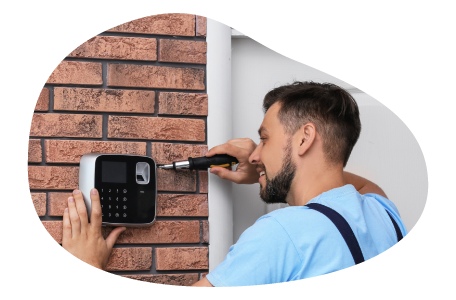

Alarm installation businesses can save money by comparing quotes from top insurers.
Fill out Insureon's easy online application to get free quotes and advice from a licensed agent.
These insurance policies cover the common risks of alarm installation.

A general liability policy covers basic third-party risks, such as accidental damage to a customer's wall or door. It's often required for a commercial lease.

A business owner's policy, or BOP, is a cost-effective way for alarm installers to buy general liability coverage and commercial property insurance together.

Most states require workers' comp for alarm installation businesses that have employees. It also protects sole proprietors from work injury costs that health insurance might deny.

This policy covers accidents involving your alarm company's vehicle. It'll pay for medical bills, property repairs, and legal costs if your security business is sued.

This policy helps pay for repair or replacement of an alarm installer's drills, screwdrivers, cable testers, and other tools if they are lost, stolen, or damaged. It's also called inland marine insurance.

A professional liability policy covers legal defense costs related to mistakes and oversights, such as an access control error that locks clients out of their system.

An installer who works independently will pay less for insurance than a larger alarm company.
Factors that affect the cost of installation insurance include:
It's easy to get alarm installer insurance if you have your company information on hand. Our application will ask for basic facts about your business, such as revenue and number of employees. You can buy a policy online and get a certificate of insurance with Insureon in three easy steps:
Insureon's licensed agents work with top-rated U.S. providers to find the right insurance program for your security company, whether you work independently or hire employees.
Hear from customers like you who purchased small business insurance.
Review answers to frequently asked questions about insurance for alarm specialists.
State laws and local regulations typically require alarm system contractors to have a license and permit. To obtain them, you may need to be bonded and insured.
Here are several examples of what you might need:
Even when it's not required, a license or certification can help your business get contracts and win bids. For example, you could earn a Fire Alarm Systems certification from the National Institute for Certification in Engineering Technologies (NICET), or become a Certified Alarm Technician through the Electronic Security Association (ESA).
Yes, alarm installers usually need to have general liability insurance. Here are the most common reasons you might need coverage:
Even when it's not required, it's important to carry liability insurance. Otherwise, a single accident or injury could financially devastate your small business.
Yes, general liability insurance includes protection against accidental property damage that happens during an installation. For instance, a worker might lean a ladder against a window and break it, or a homeowner might trip over your toolbox and suffer a concussion.
Additionally, most policies include product liability insurance, which covers any harm caused by a product you installed. If a defective product fails to function properly, or causes a fire, then this coverage would pay for damages and legal defense costs.
Alarm system contractors often rely on other types of installation insurance as part of a comprehensive risk management strategy:
Our licensed insurance agents can help you find the best insurance solutions for your alarm installation business, including any other policies such as cyber insurance or business interruption insurance.