

Find handyman insurance quotes
Save money by comparing free quotes from multiple carriers.

Learn about license requirements and the most common handyman insurance policies in Hawaii.
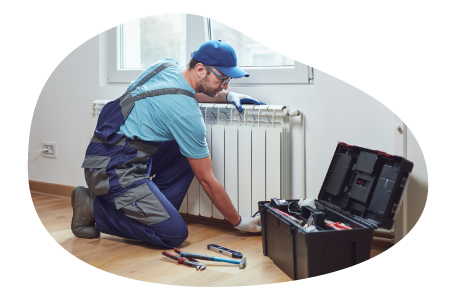

Insureon helps handyman contractors compare insurance quotes from top-rated U.S. providers.
Get free expert advice and peace of mind knowing you have the right business insurance coverage for your unique risks.
Handyman contractors may need different types of insurance coverage depending on their business operations. These are the most popular insurance policies for Hawaii contractors to protect against financial losses.

Commercial general liability covers basic risks, such as accidental damage to a client's sink. Bundle with commercial property insurance for savings in a business owner’s policy (BOP).

A BOP bundles general liability insurance coverage and commercial property insurance at a discount. It's often the most cost-effective type of insurance for handyman businesses.

Hawaii requires workers’ comp for handyman businesses that have employees. It also protects sole proprietors from job-related medical costs that health insurance might deny.

A commercial auto policy covers third-party bodily injuries and property damage in accidents involving work vehicles. It can also cover vehicle theft and vandalism.

This policy covers a handyperson's hammers, saws, drills, wrenches, and other tools if they're lost, stolen, or damaged. It's also called inland marine insurance.

Professional liability insurance covers legal fees when a handyman is sued for a mistake or oversight. It's also called errors and omissions insurance (E&O).

A surety bond is an agreement between a handyman contractor, a client, and an insurance company. It guarantees the insurer will reimburse the client if the contractor fails to fulfill their contract.

Builder's risk insurance covers a structure in progress and materials at a construction site. It's sometimes called course of construction insurance.

Pollution liability insurance can help pay for legal defense costs related to particulates or other pollution that came from your worksite. It's sometimes called environmental insurance.

Handyman contractors in Hawaii who take on projects valued at more than $1,000 or require a building permit must be licensed by the Hawaii Contractors License Board. Licensed contractors in Hawaii are required to carry a general liability insurance policy as part of the licensing process.
General liability insurance protects your business from legal expenses stemming from common mishaps, such as customer bodily injuries and property damage. Most commercial leases require businesses to carry this coverage.
Adding commercial umbrella insurance can boost your coverage on general liability insurance and other types of liability insurance.
Contractor general liability insurance can also help protect against advertising injuries, such as libel, slander, and copyright infringement. For example, it will pay for your legal defense costs if a competitor sues your business for making a false statement about them on social media.
To meet state law requirements and get licensed in Hawaii, handyman businesses that have employees must provide workers’ compensation insurance, which covers medical bills and disability benefits for work injuries.
Some independent contractors and sole proprietors in high-risk professions, such as tree service technicians and HVAC contractors, choose to carry workers' comp in Hawaii even if they do not have any employees. Most policies include employer's liability insurance, which helps pay for workplace injury lawsuits.
Commercial auto insurance covers property damage and medical bills resulting from an accident involving your handyman business's vehicle. Depending on the coverage options you choose, it can also pay for vehicle theft, weather damage, and vandalism.
Minimum auto liability requirements for Hawaii businesses are:
For vehicles that are used by the business but are leased, rented, or otherwise not owned by the company, you'll need a separate policy called hired and non-owned auto insurance (HNOA). This policy provides liability insurance but it does not cover damage to the insured vehicle.
Personal auto insurance will typically not cover any driving for business purposes, which is why you may need supplemental coverage.
Licensure requirements in Hawaii sometimes include a surety bond, depending on the type of work you do.
A surety bond guarantees reimbursement for the client if a handyman fails to fulfill the terms of a contract or adhere to regulations. Common types of surety bonds include bid bonds, performance bonds, and payment bonds.
There's no specific handyman license in Hawaii. However, you may need a contractor's license depending on the type of work you do and the size of the project.
In Hawaii, anyone performing construction or repair work valued at more than $1,000 or that requires a building permit must hold a contractor’s license from the Hawaii Department of Commerce and Consumer Affairs (DCCA).
Hawaii licenses contractors under different specialty classifications, including:
To qualify, you’ll typically need to meet experience requirements, apply for the license, pass a trade exam and a business/law exam, and submit to a background check. Licensed contractors must also carry general liability insurance, workers’ compensation insurance (if they have employees), and a surety bond.
Your costs will vary based on the type of license you apply for, whether you have employees, and your insurance needs. Smaller “handyman” jobs under $1,000 that don’t require a permit fall under Hawaii’s handyman exemption, so you can perform that work without a contractor’s license.

Hawaii handyman contractors who buy policies from Insureon pay an average of:
General liability: $164 per month
Workers' compensation: $138 per month
Commercial auto: $185 per month
Several factors affect handyman insurance premiums, including:
Hear from customers like you who purchased small business insurance.
Insureon helps you save time and money shopping for handyman liability insurance by comparing quotes from top U.S. insurance companies.
Our insurance agents are licensed in Hawaii and can answer your questions as you consider coverage.
To make the application go quicker, have this information ready:
Apply for free insurance quotes today to find cheap handyman insurance that fits your business needs. Most small business owners receive a certificate of insurance (COI) for proof of insurance the same day.