


Why do shoe stores need insurance?
You want a crowd of people trying on new shoes in your shop—but that also brings risk. If a customer trips over a display, or blames a pair of shoes for their injury, business insurance will help pay for any resulting legal expenses. Some policies, such as workers' comp, may be required by law.
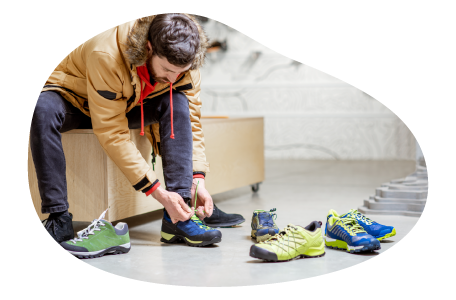

Find affordable insurance
With Insureon, shoe store owners can compare quotes from top-rated insurance companies.
A licensed insurance agent will help make sure you get the right coverage at a price you can afford.
What is the best insurance for a shoe store?
These insurance policies cover the most common risks at shoe stores.

Business owner's policy
A business owner's policy, or BOP, is a cost-effective way for shoe store businesses to buy general liability coverage and commercial property insurance together.
- Injuries caused by defective shoes
- Damaged or destroyed inventory
- Business interruption coverage

General liability insurance
This policy covers third-party lawsuits stemming from customer injuries and property damage. For example, a customer might trip and suffer an injury caused by a pair of defective high heels.
- Customer bodily injuries
- Product liability claims
- Advertising injuries, such as libel

Workers’ compensation insurance
Most states require workers' comp as soon as a shoe store hires its first employee. It also protects sole proprietors from work-related medical bills that health insurance might deny.
- Employee medical expenses
- Disability benefits
- Workplace injury lawsuits

Cyber insurance
This policy helps shoe shops recover financially from data breaches and cyberattacks. It’s sometimes referred to as cyber liability insurance or cybersecurity insurance.
- Customer notification expenses
- Fraud monitoring services
- Cyber extortion demands

Commercial umbrella insurance
Umbrella insurance boosts coverage on a shoe store's general liability, employer’s liability, or commercial auto insurance policy once the limit is reached on a claim.
- Customer injury lawsuits
- Employee injury lawsuits
- Auto accident lawsuits

Commercial auto insurance
This type of insurance covers accidents involving a shoe store's delivery van or other vehicle. Each state has its own requirements for auto insurance.
- Injuries caused to another person
- Property damage caused by your vehicle
- Vehicle theft and vandalism
How much does retail business insurance cost?
A small shoe store with only a few employees won't have to pay a lot for business insurance.
Factors that affect the shoe store insurance cost include:
- Type of business, such as shoe store, clothing store, or sporting goods store
- Whether you have a brick-and-mortar business or an e-commerce business
- Business income
- Business location
- Policy limits and deductibles
- Coverage options, including any additional insureds
- Claims history
How do I get shoe store insurance?
It's easy to get business insurance for your shoe store if you have your shop's information on hand. Our application will ask for basic facts about your business, such as revenue and number of employees.
You can buy a policy online and get a certificate of insurance with Insureon in three easy steps:
- Complete a free online application.
- Compare insurance quotes and choose policies.
- Pay for your policy and download a certificate.
Insureon's licensed insurance agents work with top-rated U.S. providers to find the right insurance coverage for your shoe store, whether you work independently or hire employees.
Verified business insurance reviews
Hear from customers like you who purchased small business insurance.
FAQs about business insurance for a shoe store
Review answers to frequently asked questions about shoe store insurance.
Do shoe stores need product liability insurance?
Yes, every shoe store should carry product liability insurance. This policy covers legal costs if a pair of shoes or other products cause a bodily injury or damages someone's property.
Because foot injuries are common, your store faces a high risk of a product lawsuit. For example, a runner or a basketball player might blame their injury on a problem with a shoe sold at your store. The resulting legal bills could bankrupt your small business.
Even if you weren't responsible for the product defect that caused the issue, you could still be held liable. That's why retailers, manufacturers, wholesalers, and distributors all need this coverage.
Fortunately, when you buy a commercial general liability policy or a business owner's policy it typically includes product liability insurance.
How does shoe insurance work in the event of theft?
You can buy insurance that provides financial protection against burglaries, vandalism, and other property losses, helping you avoid out-of-pocket expenses. Here are the most common types of insurance that protect against theft:
- Commercial property insurance covers financial losses in the event of a smash-and-grab burglary or other theft at your shoe store. It also covers damage from fires, storms, and vandalism. Consider bundling it with general liability insurance in a business owner's policy to save money.
- Commercial crime insurance protects against losses caused by dishonest employees, such as cash register theft or stolen property. You can usually add it to your property policy or BOP.
Property claims cause your premium to go up, which is another reason it's best to prevent theft in the first place. Sometimes insurers even offer a discount when you install an approved security system or take other recommended steps.
What other types of insurance policies should shoe stores carry?
Small business owners can choose to buy several types of coverage to protect against a wide range of exposures. Shoe store owners should especially consider the following as part of a strong risk management plan:
- Business income insurance helps cover rent, employee wages, lost income, and day-to-day expenses when your store is forced to close due to damage from a fire, storm, or other covered property claim. It's also called business interruption insurance.
- Equipment breakdown insurance covers equipment that fails unexpectedly, such as a sudden malfunction of a point of sale device or other machine you depend on.
- Electronic data processing insurance protects against financial losses related to data loss on computers, backup drives, operating systems, network storage servers, and other eligible devices.
If you have questions or need help finding the right insurance solutions for your risks, chat with a licensed agent today.