


Why do nurse educators need business insurance?
Other nurses depend on your training to do their jobs correctly, which means you could be blamed for mistakes in patient care. Nurse educator insurance covers legal costs if a patient or student sues your business. It can also pay for auto accidents, data breaches, property damage, and work injuries.

Find the right coverage
Insureon helps nurse educators find insurance that matches their unique risks.
Get free expert advice and peace of mind knowing you have the right liability and property insurance.
What types of insurance do nurse educators need?
These insurance products cover common risks faced by nurse educators.

Professional liability / medical malpractice
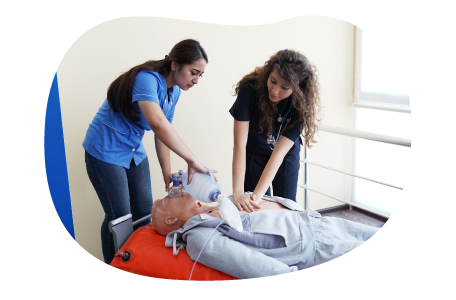
Medical malpractice insurance for nurse educators covers attorney's fees and other expenses related to professional negligence, such as a student’s injury during first-aid training.
- Improper instruction that causes an injury
- Failure to meet the standard of care
- Missed training sessions

Workers’ compensation insurance
Most states require this coverage for businesses with employees. It also protects nurses who work independently from work-related medical bills that health insurance might deny.
- Employee medical expenses
- Disability benefits
- Employee injury lawsuits

Business owner’s policy
A business owner's policy, or BOP, is a cost-effective way for nurse educators and nursing schools to buy commercial property insurance and general liability insurance together.
- Accidents that injure a student
- Damage to student property
- Stolen or damaged business property

General liability insurance
A general liability policy covers the cost of common third-party accidents, such as a nursing student who slips and suffers an injury during a class. It's often required for a commercial lease.
- Slip-and-fall injuries
- Damage to a student's property
- Libel and other advertising injuries

Cyber insurance
This policy helps nurse educators pay costs associated with data breaches and cyberattacks. It can often be added to a business owner's policy or general liability policy for savings.
- Customer notification costs
- Data breach investigations
- HIPAA data breach fines

Commercial auto insurance
Most states require commercial auto insurance for vehicles owned by a nurse educator's business. It helps cover legal costs in the event of an auto accident.
- Damage caused by your vehicle
- Medical bills from an auto accident
- Vehicle theft and vandalism
How much does business insurance cost for nursing professionals?

A nurse educator who works independently will pay less for insurance than a larger business.
Factors that affect premiums include:
- Scope of practice and healthcare services, such as telemedicine
- Medical equipment and property
- Years of experience
- Business location
- Types of insurance purchased
- Per-occurrence and aggregate liability limits
- Additional insured endorsements
Top nursing professionals we insure







How do I get nurse educator insurance?
It's easy to get business insurance for nurse educators and health educators if you have your business information on hand. Our application will ask for basic facts about your practice, such as revenue and number of employees. You can buy a policy online and get a certificate of insurance with Insureon in three easy steps:
- Complete a free online application
- Compare insurance quotes and choose policies
- Pay for your policy and download a certificate
Insureon's licensed agents work with top-rated U.S. providers to find the right insurance coverage for nurses, caregivers, and other healthcare providers, whether you work independently or hire employees.
Verified business insurance reviews
Hear from customers like you who purchased small business insurance.
FAQs about nurse educator business insurance
Are nurse educators required to carry malpractice insurance?
Nurse educators rely on malpractice insurance, also called a professional liability insurance policy, to cover costly lawsuits related to professional negligence. There are several reasons why you might need this coverage:
- State laws might mandate it. For example, all advanced practice registered nurses (APRNs) in Florida must carry malpractice insurance, but it's not required in New York.
- Your employer may require it. The healthcare facility you work for may require you to carry malpractice coverage, even if it's not required by state law.
- Independent contractors are not covered. If you work as an independent contractor, your employer's policy will not provide coverage and you will need to secure your own protection against malpractice lawsuits.
Keep in mind that malpractice insurance is a claims-made policy, which means you’ll need to keep your policy active in order to benefit from it.
What other liability insurance do nurse educators need?
Nurse educators may need additional protection depending on the type of work they do and their risks. Fortunately, it's possible to modify your policy to cover a wide range of malpractice claims, including:
- Telemedicine / telehealth coverage
- HIPAA defense coverage
- Nursing license protection
- Sexual misconduct defense coverage
- Portable coverage for volunteer or per diem work
Consult a licensed insurance agent to find out about any exclusions or to add other types of liability coverage to your policy.