

Get wine and liquor store insurance quotes
Save money by comparing free quotes from top-rated providers.

If an intoxicated customer knocks over a shelf of expensive whiskey or injures someone, the resulting costs could bankrupt your shop. Small business insurance helps cover burglaries, car accidents, lawsuits, and injuries so you can keep serving customers after an unexpected incident.
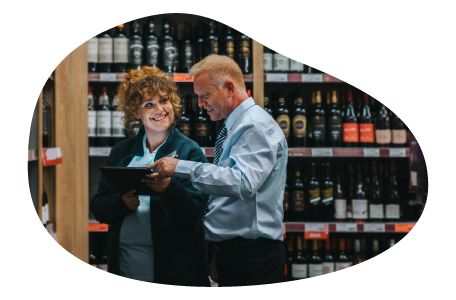

Insureon helps beer, wine, and liquor store owners find insurance quotes that match their unique risks.
Get free advice from our licensed agents and peace of mind knowing you have the right coverage for your shop.

A business owner's policy, or BOP, is a cost-effective way for beer, wine, and liquor stores to buy commercial property insurance and general liability coverage together.

A general liability policy covers basic third-party risks. For example, a customer who slips in a spill at a wine store might break a wrist or damage their smartphone.

Most states require workers' comp for beer and liquor stores that have employees. It also protects sole proprietors from work-related medical bills that health insurance might deny.

Liquor liability coverage pays for legal expenses if your store sells alcoholic beverages to a person who then harms others or damages property while intoxicated.

An umbrella liability insurance policy boosts coverage once the limit is reached on a general liability, employer’s liability, or commercial auto insurance policy.

Commercial auto insurance is usually required for business-owned vehicles. It helps cover legal costs and property damage in an accident involving a liquor store's vehicle.

A small wine shop with a few employees will pay less for insurance than a larger business.
Average liquor store insurance costs include:
Small business owners can often bundle general liability and commercial property coverage in a business owner's policy, which costs an average of $161 per month for liquor stores.
Several factors affect insurance premiums for liquor stores, wine shops, and similar businesses during the underwriting process, such as:
It's easy to get beer, wine, and liquor store business insurance if you have the relevant information on hand. Our application will ask for basic facts about your business, such as revenue and number of employees. You can buy a policy online and get a certificate of insurance (COI) with Insureon in three easy steps:
Insureon's licensed agents work with top-rated U.S. providers to find the best coverage for your liquor store, wine shop, bar, or convenience store, whether you work independently or hire employees.
Hear from customers like you who purchased small business insurance.
Review answers to frequently asked questions about business insurance for beer, wine, and liquor retailers.
Any business that sells alcohol or tobacco needs to have the right federal and local licenses and comply with regulations.
Here's what your shop likely needs to operate:
Keep in mind, your business must also comply with local ordinances, zoning regulations, and Occupational Safety and Health Administration (OSHA) workplace safety standards.
Yes, you can buy liquor liability insurance that protects your business when selling alcohol. This is especially important in states with dram shop laws, which place the blame for harm caused by intoxicated individuals on the establishment that served them.
For instance, a customer might stumble into your liquor store while drunk, and then buy a bottle of rum. If that customer goes on to cause property damage or a bodily injury, your shop could be held responsible.
Liquor liability insurance, also called dram shop insurance, pays for medical costs, repairs, and legal fees from incidents involving overserved customers. A standard liquor liability policy won't cover regulatory fines or intentional violations, such as knowingly selling alcohol to a minor. Assault and battery coverage is often available as an endorsement.
Because selling or serving alcohol brings higher-than-average risks, alcohol-related incidents are excluded from general liability insurance for liquor stores and similar businesses. In some cases, you can add liquor liability coverage to your general liability policy.
Yes, liquor liability insurance is often needed in order to get a liquor license and operate a liquor store or wine shop legally. However, it depends on the laws in your state, county, and city.
Here are a few examples:
In states with dram shop laws, it's crucial to carry liquor liability insurance, even if it's not required by law. If your business is held responsible for the actions of an intoxicated customer, you could end up paying hundreds of thousands of dollars out of pocket.
Insurance helps pay for attorney's fees, judgments and settlements, property repairs, medical bills, and countless other costs, helping you recover quickly after an incident. Having coverage can help you get licensed, and you may need it for event venues or a commercial lease.
Sellers of liquor, wine, and beer often invest in the following insurance products to protect against unexpected out-of-pocket costs:
Insureon's licensed agents can help you find any specialized coverages you may need and answer any questions about insurance for your store.
It's easy to find affordable business insurance with Insureon. Our easy online application lets you compare quotes from trusted insurance companies to find policies that fit your budget and your unique risks.
Other ways for liquor shop owners to save money on insurance include:
Our insurance agents can help you find the right insurance solutions for your business, whether you own a liquor store, a wine shop, a grocery store, a convenience store, or any other shop that sells alcohol.
The average costs on this page were derived from our data on small business owners in the liquor and wine store field who purchased policies through Insureon. Most of our customers have less than five employees, annual revenue ranging from around $50,000 to more than $200,000, and five years or less in business.