


























Get free EPLI insurance quotes
Save money by comparing quotes from trusted insurance carriers.


If a business is sued by an employee over wrongful termination or another violation of employee rights, employment practices liability insurance (EPLI) can pay for legal costs. EPLI can be added as an endorsement to general liability insurance or a business owner's policy.
Employment practices liability insurance (EPLI) covers your legal expenses if an employee files a lawsuit alleging discrimination, wrongful termination, harassment, or other wrongful acts.
Employment-related claims are increasingly common and costly. That's why every business that has employees should carry EPLI coverage.
It's often possible to bundle employment practices liability insurance with other types of management liability insurance, such as directors and officers (D&O) insurance. You might also see it called EPL insurance.
Any business with employees faces the risk of a lawsuit alleging unfair treatment, which is why you need EPLI coverage. It's especially important for small businesses that lack an HR department or a legal team to handle disputes.
Litigation costs are expensive, and you could end up paying hundreds of thousands of dollars if a jury finds your business violated an employee's rights.
Even when you've done nothing wrong, a frivolous lawsuit can still prove costly, which is why all businesses with employees should consider this coverage.

If an employee sues over wrongful termination, sexual harassment, equal pay, or another violation of employee rights, employment practices liability insurance helps pay for your legal costs.
This includes the risk exposures you might face if an employee files a complaint with the Equal Employment Opportunity Commission (EEOC), or a lawsuit involving the Family and Medical Leave Act (FMLA).
Specifically, your EPLI policy provides coverage for:

Employment practices liability insurance protects your business if you improperly manage employee benefits, including health insurance, paid time off, and sick leave.
EPLI provides protection if your business is sued over sexual harassment in the workplace. For example, if an employee complains to HR about a manager's suggestive remarks but no action is taken, your business could face a lawsuit.
EPLI coverage will help protect you if an employee alleges wrongful discipline, demotion, or termination. It protects against accusations of negligence related to hiring and promotion, as well.
While slander or libel charges coming from non-employees are covered by general liability policies, EPLI coverage offers protection for employee claims of defamation.
Employment laws prevent businesses from discriminating against workers based on age, gender, religion, race, or other protected classes. Companies that violate these rules might face a lawsuit.
When your company makes a candidate a job offer or hires a contractor, it is obligated to adhere to the terms of the agreement that both parties signed. Failing to do so could result in a lawsuit.
When monitoring your business, take care not to cross the line into violating employee privacy or you risk a lawsuit.
If an employee at your business behaves in a way that causes another worker to suffer and you take no action, you could be held liable.

The average cost of EPLI is $257 per month for Insureon's customers.
Among our policyholders, 38% pay less than $200 per month for employment practices liability coverage and 33% pay between $200 and $400 monthly.
A wide range of factors affect the cost of an EPLI policy. That includes the deductible you select, which is on average $10,000 for our customers.
The top factors that impact the cost of employment practices liability insurance during underwriting are:
Hear from customers like you who purchased small business insurance.
While EPLI is not required by law, every business with employees should have this coverage.
Even at a small business, an employee conflict could lead to a costly lawsuit. Regardless of whether you win in court, you'll still be responsible for costly legal fees, which is why employment practices liability insurance is so important.
Most small businesses are eligible for coverage. In general, insurers will want to make sure your company has basic human resources policies, uses employment applications, conducts periodic employee appraisals, and does not have a history of employment practices lawsuits.
Good candidates for EPLI coverage include the following types of businesses:

A computer and electronics store fails to pay unused vacation time when a technician accepts a new job, and the worker decides to sue.

A manager at a fast food restaurant regularly makes suggestive remarks to a cashier and follows up with unwanted advances. The employee complains to HR, but no action is taken. The cashier files a lawsuit against the restaurant for failing to prevent the harassment.

A manager at a medical billing agency accuses a subordinate of stealing money in front of other employees. The employee denies wrongdoing and sues the business for slander.

An older employee who has worked on the assembly line at a beverage manufacturing plant for over a decade is passed over for a promotion, which is awarded to a new, younger employee. The worker sues the factory for age discrimination.

A doctor makes crass jokes in the office, usually at the expense of a receptionist. When the HR department does not take their complaint seriously, the receptionist sues the business for sexual harassment.
Easily apply online, get quotes from top carriers in seconds, and get your certificate of insurance the same day.
We're on top of your small and medium-sized business insurance needs. We'll help you find policies that protect what you've worked so hard to build.
Start here. Tell us about yourself. Questions? We've got your back. The info you share is secure. We'll double-check it and a pro with experience in your field will be in touch.
Fast? You can compare quotes from leading insurance providers in seconds and get a certificate of insurance the same day.
Always online, always on your side. Helping protect your business.
While EPLI is an important part of risk management when you have employees, it does not provide all the protection you might need. For instance, your policy does not include coverage for:

Workers' compensation insurance covers work-related injuries and illnesses. It helps pay for medical bills and provides disability benefits while an employee recovers.
Employer's liability insurance, typically included in a workers' compensation policy, covers legal costs if an employee sues over a work injury or illness.
General liability insurance covers legal costs if someone outside your business accuses you or an employee of slander, libel, or another advertising injury.
Professional liability insurance, also called errors and omissions insurance (E&O), covers legal costs if your business is accused of professional negligence. It also covers missed deadlines and work mistakes.
While EPLI covers negligence in terms of hiring and other employment practices, professional liability covers negligence related to the work performed by your business. Another difference in employment practices liability vs. professional liability is that the lawsuits come from employees, not clients.




Review answers to frequently asked questions about employment practices liability insurance.
Employment practices liability insurance coverage is a claims-made policy, which means that a claim is covered only if your policy is active both when the incident occurred and when the claim is filed.
It's important to maintain continuous coverage with this type of insurance, as a lapse could leave you vulnerable to legal defense costs. You may want to set a retroactive date for coverage, which provides protection for work done in the past up to a specific date.
For example, your house painting business is forced to close, so you cancel your EPLI coverage. A few months later, a former employee sues you for discrimination, but since you no longer have an EPLI policy, the insurer likely won’t pay for lawsuit costs. Note that in some situations, you may be able to extend a policy beyond its original end date.
Unfortunately, employment-related claims are both common and costly. You're actually more likely to be sued by an employee than you are to have a fire at your office—even though more businesses carry insurance to protect against the fire, not the lawsuit.
The risk increases for businesses that are too small to have a human resources team. Businesses with a small staff often lack the time, energy, and expertise to resolve employee disputes before they become legal issues.
Employee lawsuits can devastate your reputation and finances. The Massachusetts Commission Against Discrimination (MCAD) gives examples of employment liability cases:
EPLI coverage keeps you from paying these high costs out of pocket. It can cover any legal defense costs, including a settlement or judgment if an employee presents a valid claim.
One of the best ways to save money is to prevent employee lawsuits from occurring in the first place.
A strong risk management strategy might include:
You can also save money on your policy by choosing lower limits or a higher deductible. Make sure you can easily afford the deductible, as your insurance won't activate until it's paid.
Insurance companies offer a range of different pricing and coverage. To find the right policy for your business, fill out Insureon's easy online application to compare quotes from top-rated carriers in one place.
Yes, you can bundle EPLI with other types of business insurance. An insurance bundle typically costs less than purchasing the policies separately.
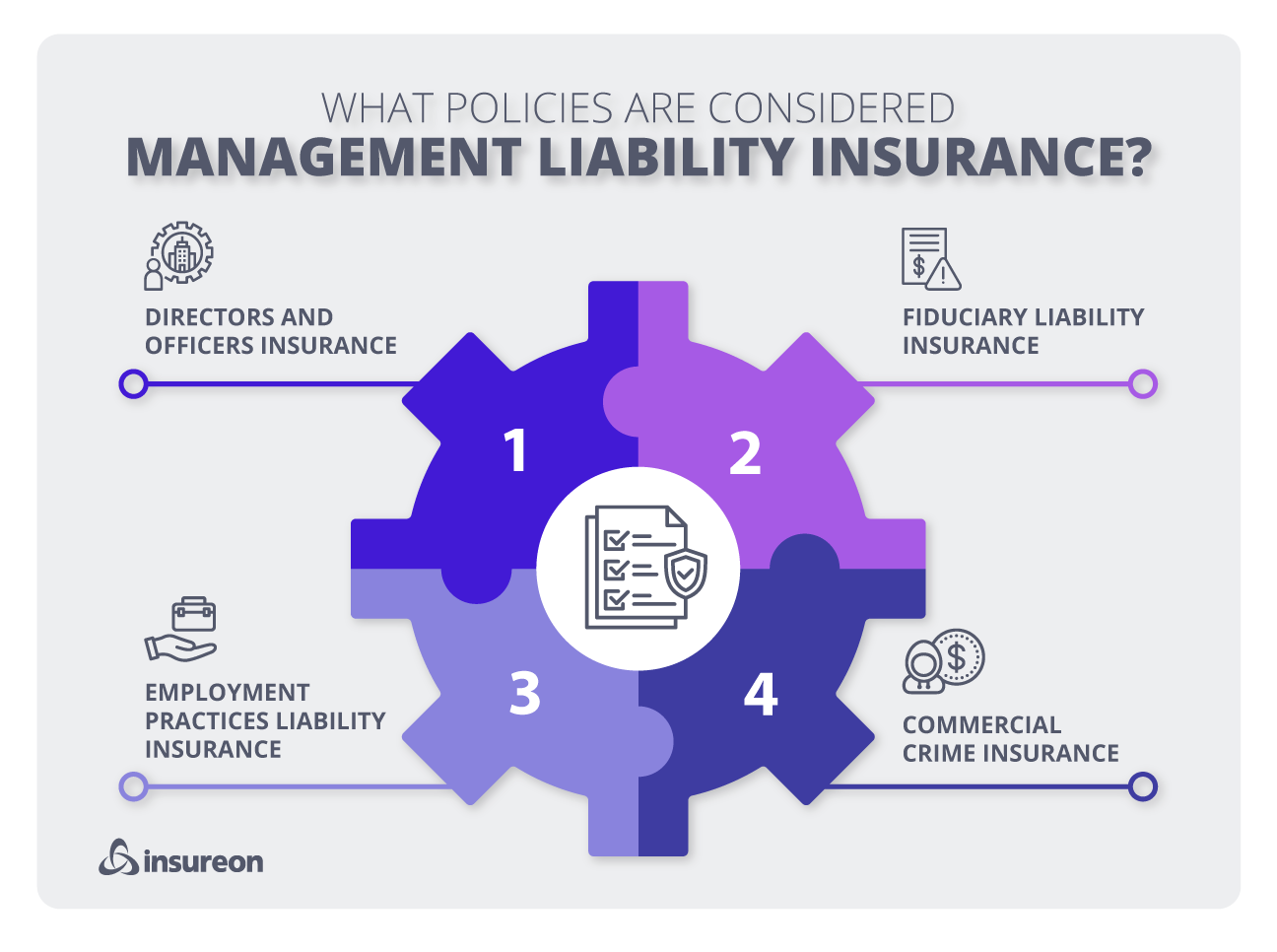
Small business owners often combine EPLI with other types of management liability insurance, usually directors and officers insurance. D&O protects a business’s board members and officers against lawsuits over decisions they made on behalf of the company that resulted in financial loss.
Together, these two types of management liability insurance provide a broad base of protection against liabilities related to hiring and firing, employee rights, and investment decisions.
Other types of management insurance include fiduciary liability insurance, which protects individuals who oversee employee benefit plans, and commercial crime insurance, which protects against dishonest employees.
Depending on the carrier, other coverage options may be available. For instance, you can often add EPLI as an endorsement to a business owner's policy (BOP) or a commercial package policy (CPP).
Most EPLI policies include a deductible, which is an amount that you pay out of pocket toward legal costs before an insurer contributes.
Some policies limit coverage during acquisitions or major staff reductions. Others stipulate that the insurance company will choose your attorney if a claim is filed, usually because the insurer wants a lawyer who has expertise in relevant cases.
Employment dispute lawsuits can be expensive, so keep that in mind when choosing your policy limits and options for what EPLI covers.
Employment practices liability insurance covers discrimination claims and other lawsuits related to employment practices. Employer’s liability insurance helps pay for lawsuits from employee injuries, such as a worker who suffers a sprain or slips and falls on the job.
Both policies protect business owners from employee lawsuits, which can be extremely expensive. However, employer's liability insurance is a separate insurance policy that protects your business from legal defense costs if an employee claims your business's negligence caused their injury or illness.
Unlike EPLI, employer’s liability insurance is typically included in workers' compensation insurance.
Both policies are important for protecting small businesses from common lawsuits and incidents, but they cover different types of risk.
EPL coverage protects business owners from lawsuits related to employment issues, such as harassment, discrimination, and wrongful employment termination.
E&O insurance protects policyholders from legal costs relating to mistakes and oversights for professionals.
Many small businesses purchase both policies to ensure they're protected from a range of risks. Contact a licensed insurance agent to ensure that your company is protected with the right policies for your needs.